
Rules Committee markup would cut Medicaid for millions under HR 1, CBO says
Get AI-powered insights, summaries, and transcripts
Subscribe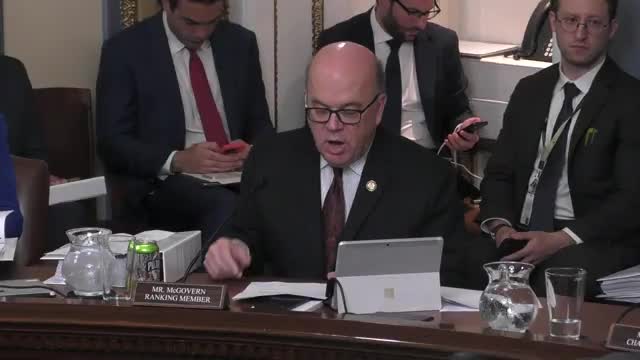
Summary
House Rules Committee debate on HR 1 focused on proposals that analysts say would reduce Medicaid and cause coverage losses for roughly 14 million people, with Democrats warning of hospital closures and public‑health harms.
The House Rules Committee hearing on the reconciliation package that includes HR 1 featured extended debate about proposed Medicaid changes that analysts say would lead to large coverage losses. Nonpartisan scoring cited during committee discussion pointed to roughly 14 million people who could lose Medicaid if the legislation becomes law, and Democratic members warned those cuts would drive hospital and nursing‑home closures and worsen access to care in rural areas.
Committee Democrats said the rules package would combine direct program cuts with new administrative and work‑reporting requirements that states must enforce, and that together those changes would produce the bulk of the coverage losses. Democratic members also pointed to a recent Congressional Budget Office finding — discussed in committee — that the bill’s deficit path could trigger a further automatic reduction to Medicare spending under statutory PAYGO rules (CBO’s figure cited in committee: about $535 billion in Medicare sequestration), a consequence they said was not widely publicized.
Republican members and several committee witnesses argued the reconciliation package includes funds for national security and other priorities and said program integrity and state cost‑sharing reforms were necessary to curb overpayments and program growth. They described provisions intended to require states to share some cost for certain SNAP and other benefits and to tighten documentation to curb erroneous payments. Republicans also said the package tries to preserve coverage for the neediest while reducing unexplained growth in entitlement spending.
A motion to adjourn the Rules markup early failed during the hearing and the committee proceeded. Democrats introduced and urged adoption of amendments to strike the Medicaid reductions; those amendments were described as aimed at preserving coverage for children, pregnant and postpartum women, seniors and people with disabilities.
Progressive and conservative analysts alike raised alarms in committee testimony and in members’ statements. Committee discussion repeatedly emphasized two linked points: 1) that Medicaid is the single largest payer for many hospitals and nursing facilities, particularly in rural and low‑income communities, and 2) that substantial coverage losses in Medicaid would therefore have ripple effects across local health systems, not just for the people whose coverage is terminated.
Several Democrats on the Rules Committee said they would use floor time to press for restoring or protecting Medicaid and related maternal and child health provisions, and for rejecting what they called a choice between taxpayer funds for billionaires and coverage and nutrition for working families.
Meeting context: debate on this topic recurred throughout the hearing and was one of its focus points, with Democratic members pointing to CBO scoring they said had become public shortly before the markup to press their objections.