
House rules hearing spotlights how reconciliation changes could strip Medicaid, food aid from millions
Get AI-powered insights, summaries, and transcripts
Subscribe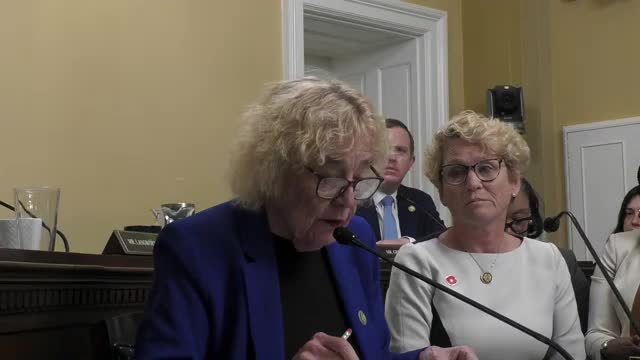
Summary
During a Rules Committee hearing on the GOP reconciliation package, Democrats warned the bill’s Medicaid and SNAP changes would remove coverage and benefits from millions of Americans — including children, seniors and veterans — while Republicans defended changes as fiscal reform.
House members across the aisle used a Rules Committee markup of the so‑called "1 Big Beautiful Bill" to spotlight competing views about sweeping health‑and‑nutrition changes in the GOP reconciliation package.
Democrats repeatedly said the reconciliation health title would make millions lose coverage and urged the committee to adopt amendments protecting Medicaid and the Supplemental Nutrition Assistance Program (SNAP). “This is a catastrophic and unacceptable outcome for Louisiana and for the American people,” Representative Troy A. Fields told the committee while defending amendments to limit coverage losses.
Supporters of the bill said it targets waste, fraud and abuse and introduces work and paperwork requirements intended to reduce improper payments. But Democrats and several nonpartisan economists cited the Congressional Budget Office and other analyses showing large projected coverage losses. Representative James P. McGovern, the Rules Committee ranking member, said committee Democrats offered dozens of amendments to prevent those outcomes and criticized the timing and process of the markup: “We began at 1 a.m. We’ve had only minutes to review a manager’s amendment that makes dozens of substantive changes.”
The debate centered on two policy mechanics: (1) new documentation and work requirements for some adults, and (2) shifting more administrative and matching costs to states. Democratic members argued both routes would drive people off rolls. Representative Jamaal Bowman said that when people lose SNAP or Medicaid, “children automatically lose direct certification for free school meals,” multiplying harms for low‑income families. Republican members countered they were restoring program integrity and that states retain flexibility to exempt eligible people; however, Democrats pointed to past state experiments — notably Arkansas — that showed paperwork rules removed people from rolls even when they were working.
The hearing produced no final change to the reconciliation text; the Rules Committee voted to report the rule that would permit floor consideration of the bill and the manager’s amendment the majority negotiated. But the session underscored that major health and nutrition provisions remain politically contested and that the practical effect of new eligibility and cost‑sharing rules — not just their stated intent — will determine whether millions retain coverage or benefits.
Ending: The bill’s health and nutrition provisions remain central to the political fight over the reconciliation package, and the Rules Committee’s action clears the measure for floor debate. Lawmakers from both parties signaled they expect further floor fights, and several members warned that state budget mechanics and administrative details will determine whether the measures produce reform or coverage losses.