Get Full Government Meeting Transcripts, Videos, & Alerts Forever!
Get email alerts on the Evidence Admissibility topic
No spam. Unsubscribe anytime.
Appeals panel weighs marijuana evidence, prosecutor closing and counsel performance in Commonwealth v. Dieves
Summary
A three-justice panel heard arguments in Commonwealth v. Efrain Dieves, case no. 24P854, on whether testimony about the defendant providing marijuana to the alleged victim and related closing argument were improperly admitted and whether the defense counsel’s failure to object amounted to ineffective assistance.
A three-justice panel of the appeals court heard oral argument in Commonwealth v. Efrain Dieves (24P854) over whether evidence that the defendant gave marijuana to the alleged victim and the prosecutor’s closing argument were improperly admitted, and whether the defendant received ineffective assistance of counsel.
Presiding Justice Peter Sachs opened the session by noting the court had read the briefs and the record and urging counsel to “get right to the heart of your arguments.” The panel consisted of Justice John Englander and Justice Maureen Walsh.
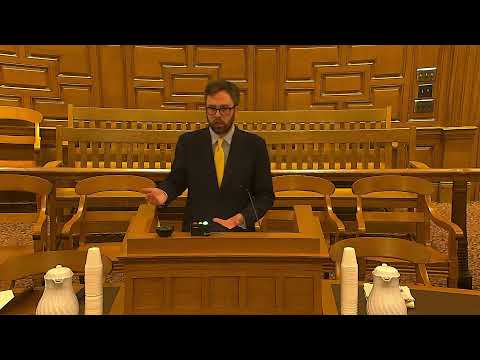
Defense attorney Suzanne Lavert argued the trial was unfair because the prosecutor’s closing statements “were offensive and far beyond the scope,” and because the trial judge’s instructions did not properly limit the jury’s use of the marijuana testimony. Lavert told the panel that the prosecutor had urged the jury to infer guilt from the defendant’s provision of marijuana and that counsel’s failure to object deprived the defendant of a fair trial: “Mr. Nieves did not get a fair trial,” she said, and added that there was “not a single objection” at trial to the challenged material.
David Mark McSherry, who said he was trial counsel for the Commonwealth, urged the justices to affirm the convictions. McSherry told the panel that the marijuana evidence was admissible and that the judge’s instructions were proper: “The Commonwealth’s asking you to deny the defendant’s appeal today and affirm his convictions because the marijuana evidence was properly admitted and was properly instructed on by the trial judge,” he said. He argued the evidence was relevant to the “nature of the relationship,” to motive and intent, and to the delay in reporting the incidents.
The justices questioned both sides about the legal limits on prior-bad-act evidence and about whether the prosecutor’s closing crossed the line into arguing propensity. The panel discussed case law the parties cited—defense counsel referenced Kozak and Redmond in arguing the prosecutor improperly asked jurors to draw guilt-based inferences from behavior not tied to the charged offenses; the Commonwealth countered that the contested remarks were part of a larger argument about witness credibility and did not ask the jury to find criminal propensity alone.
The defense also pressed an ineffective-assistance claim based on trial counsel’s failure to file an affidavit or move for a new trial explaining why objections were not made. The panel noted that raising such claims on direct appeal is difficult without a supporting affidavit and that the record may not show counsel’s strategic reasons for not objecting.
The justices and counsel also debated factual connections in the record: counsel for the defense emphasized that the transcript did not show a direct link between the moments the alleged victim consumed marijuana and the charged indecent-assault incidents, while the Commonwealth pointed to the victim’s testimony that she was “very high” during one assault and argued jurors could reasonably infer relevance from the testimony and other incidents described at trial.
There was no ruling from the bench. The court thanked counsel and court staff and adjourned.