Get Full Government Meeting Transcripts, Videos, & Alerts Forever!
Get email alerts on the Foreign Aid Coordination topic
No spam. Unsubscribe anytime.
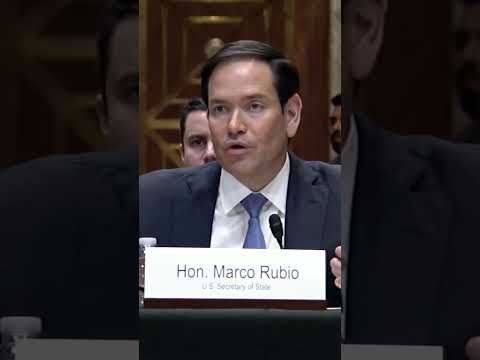
Staff member urges better coordination between U.S. embassies and USAID
Summary
A staff member told the meeting that foreign aid must be coordinated with other U.S. foreign‑policy tools to avoid undermining diplomatic goals, citing cases in multiple countries and recent feedback from the Caribbean.
A staff member said foreign aid must be coordinated with other tools of U.S. foreign policy to avoid undercutting diplomatic objectives.
"Foreign aid is a tool of our foreign policy. It is not the only tool of our foreign policy," the staff member said during the meeting, adding that aid programs must be "taken in conjunction with all of these other things that we do and they have to be intertwined." The staff member described visits to "multiple countries around the world" and said embassy staff in some places were "upset at USAID" because embassy priorities and USAID-funded programs did not align.
The staff member warned that lack of coordination can limit diplomatic options: "Because the embassy was pursuing 1 route, maybe closer to a leader who was less than bridal, but we had a geopolitical interest," the staff member said. The speaker argued there must be "a balance" and warned against separate entities that are not communicating: "There can't be if they're 2 separate entities arguing with each other. In some cases, not even communicating."
The staff member also referenced a recent trip to the Caribbean, saying: "they told me America's always been very generous at giving us things you think we need as opposed to the aid we think we need." That comment was presented as feedback from foreign counterparts rather than as a formal finding or policy change.
This discussion was explanatory and advisory; no motion, vote, or formal direction was recorded on the topic during the meeting. The staff member described observations and perspectives but did not propose a specific policy action or funding change.
Meeting materials did not specify the countries visited, dates of travel, or details of the USAID programs cited. The staff member characterized the examples as from "multiple countries" and a "recent trip to The Caribbean," and the transcript did not provide figures, program names, or documentary evidence to substantiate the specific program details.