Get Full Government Meeting Transcripts, Videos, & Alerts Forever!
Get email alerts on the School Budget topic
No spam. Unsubscribe anytime.
Connellsville Area School Board does not affirm proposed 2025–26 budget; schedules special meetings
Summary
The Connellsville Area School District board failed to secure majority support for a proposed $89.14 million preliminary budget for 2025–26 and the related $4.59 million career and technical center budget, leaving a projected deficit and prompting two special meetings to revisit the plan.
Connellsville Area School District board members on Tuesday declined to affirm a proposed preliminary budget totaling $89,142,510 for the district and $4,592,114 for the district’s career and technical center, leaving the board to schedule special meetings to reconsider options.
District business presenter Mrs. Ralston told the board the 2025–26 proposal shows a projected increase in revenues of about $1.5 million (1.76 percent) and an increase in expenditures of nearly $3 million (3.45 percent), producing a deficit unless the board raises taxes, uses fund balance, or does both.
The vote matters because the district carries a $22,969,034 fund balance that Ralston described as composed of $1,035,899 nonspendable (prepaids), an assigned portion of about $15,153,000, and an unassigned balance of $6,679,337; state rules and guidance tie certain tax-raising authority and fiscal recommendations to the size of unassigned reserves. Ralston said roughly 62 percent of the district’s budget is salaries and benefits and that tuition-related costs from the Connellsville Area Career and Technical Center will require the district to cover just under $3 million of the CTC budget.
Ralston outlined revenue and policy drivers the board must consider. She said the district received PlanCon reimbursements in prior years — one-time state construction reimbursements that added roughly $3 million in the past — and that federal COVID funding had helped protect staffing in recent years. She noted the governor’s proposed state budget could add an estimated $1.2 million in “ready to learn/adequacy” funding but said the administration had not yet secured enough legislative support to treat that amount as a budget certainty.
On tax policy specifics, Ralston said the district’s Act 1 index is 5.7 percent and that the district’s assessed value after homestead/farmstead reductions is $1,064,597,660. She presented a maximum tax-raising example of 0.9254 mills, which she said could bring in just under $9.9 million at a stated 9 percent collection rate; she also said a one-half mill increase would yield roughly $500,000. Ralston said the state is increasing homestead/farmstead reimbursement this year to $2,405,551 total, returning about $223,997 to taxpayers, with approximately 9,136 homeowners expected to receive an average reduction near $27.50.
Ralston also addressed contingency planning included in the proposed budget: a possible half-year bond payment of about $550,000 tied to a potential Dunbar Township renovation estimated in materials at $25 million, and contingency amounts related to pending state legislation that could cap cyber-school tuition at $8,000 per student (the district is budgeted conservatively so the district would record savings if the cap passes but has included contingency if it does not).
During discussion board members pressed for more detail on department-level spending and year-to-year comparisons; one board member requested a breakdown showing where previously budgeted amounts were unspent. Public comment included a resident who urged the board to consider reallocating administrative salary dollars to classroom special-education positions, saying local students needed additional teachers at Springfield Elementary.
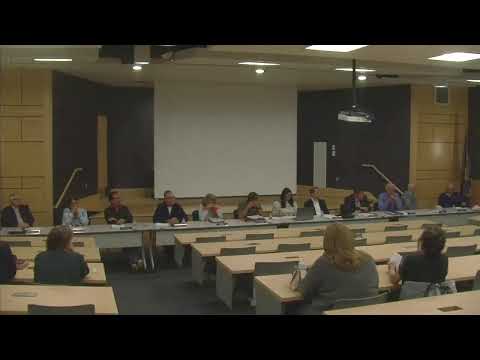
A roll-call vote on a resolution presenting the proposed final budget (form PDE-2028 as referenced in the board packet) did not produce a majority in favor. Board President Mister Renzi moved the resolution; the roll call recorded a mix of yes and no votes and, according to district staff, the resolution was “not affirmed by the majority of the board.” As a result, the board scheduled two special meetings to revisit the budget; in the meeting record staff announced meetings for Tuesday, May 27, at 5 p.m. and Thursday, June 26, at 5 p.m., both at the high school, and a speaker later in the meeting repeated the May 27 date and mentioned June 27 — the transcript contains that inconsistency and the district’s posted notices will provide the definitive dates.
Next steps by the board include meeting at the special sessions to consider additional line-item reductions, tax-rate options, and whether to use a portion of the fund balance or pursue a combination of measures. Ralston told the board the district must advertise the proposed final budget and make it available for public inspection at least 10 days before the final-adoption hearing, consistent with the PDE notice process described in the agenda materials.