Get Full Government Meeting Transcripts, Videos, & Alerts Forever!
Get email alerts on the Residential Parking topic
No spam. Unsubscribe anytime.
Committee tables expansion of residential permit parking near schools and campus
Summary
Councilmembers debated expanding the residential permit parking program to additional streets near schools and John Carroll University, heard field checks and resident concerns, and opted to table the proposal pending results from enforcement changes.
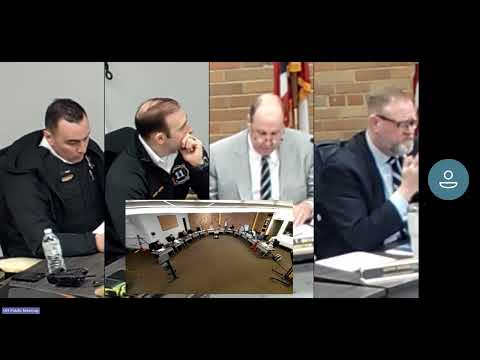
University Heights safety committee members on April 7 discussed a proposed expansion of the city’s residential permit parking program to additional streets near local schools and John Carroll University but decided to postpone action until enforcement and towing/fine changes are evaluated.
Councilmember Cooney proposed adding several streets to the permit program and reengaging residents to determine whether they want permits and guest accommodations. He said he conducted on‑the‑ground observations, took photos and a minute‑by‑minute account at school drop‑off times and “there was no safety concern” on the dates he reviewed. Cooney asked the committee to consider expanding permit coverage on streets including University Parkway, Milton Road, Bromley Road, Carroll Boulevard, South Boulevard (between Fairmont and Silsbee), and Miramar.
Why it matters: residents on nearby streets have complained about daytime and overnight parking spillover from campus and school traffic. Permit parking would reserve street parking for residents and guests, but some councilmembers and other speakers said permit programs can create tradeoffs for other taxpayers and may not solve the underlying causes.
Council debate focused on whether enforcement of towing and fines should be tightened before enlarging the permit program. Several members — including the vice mayor and Councilmember Weiser — said they preferred to see the results of enhanced towing/fine enforcement first. Weiser expressed a broad policy concern about long‑term resident permit programs, saying such programs can effectively restrict public street parking and raise equity questions for taxpayers.
Cooney summarized his goal as reengaging neighborhood residents to allow lawful resident parking without imposing penalties on invited guests; he said the program would give residents “the opportunity to park there where they do not get a ticket.” Critics said resident permits had not solved parking problems in the past because students and other non‑residents continued to park illegally in restricted zones.
Action and next steps: the committee tabled the residential permit parking expansion for now and asked staff to prioritize enforcement options under agenda items 1 and 2 (towing and fines). Committee members agreed to return to the question later if enforcement adjustments do not address the problems.
Community details: Cooney listed streets under consideration and noted proximity to local schools (Garrity and other school sites) and the anticipated impacts from John Carroll’s Fairmont Circle development. No formal ordinance language was adopted at this meeting; the item was deferred.