Get Full Government Meeting Transcripts, Videos, & Alerts Forever!
Get email alerts on the Property Maintenance Enforcement topic
No spam. Unsubscribe anytime.
Committee reviews property-maintenance enforcement: grass fines, dumping and vacant properties
Summary
Council members discussed fines, billing and cleanup procedures for high grass, illegal dumping and long-term vacancies; housing and service departments outlined tagging, abatement and billing workflows and asked finance to review assessment timing and fee structure.
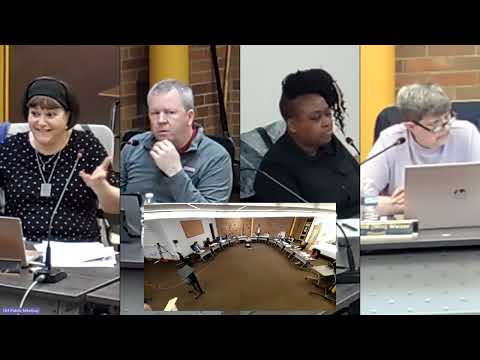
The University Heights Building and Housing Committee on Monday examined enforcement practices for property-maintenance violations, including grass-cutting fines, billing for contractor cleanups, illegal dumping on commercial lots and how the city tracks vacant or unpermitted rental properties.
Chair Winifred Weiser explained how the city’s process works when a contracted landscaper cuts overgrown grass: the resident is billed for the cut plus a fine, and unpaid charges can be added to the county property tax duplicate as an assessment. Weiser described a large number of single-cut fines and asked whether the city could offer a reduced settlement letter to encourage payment before assessment processing.
Housing and service staff described the workflow: housing inspectors tag properties and request contractor cleanup when owners don’t abate; the contractor documents the work (including photos) and housing forwards billing information to finance for invoicing or placement on the tax duplicate. Service department staff said abatement scheduling depends on crew availability; the time from initial complaint to city-performed cleanup can be roughly two weeks but varies.
Committee members asked for finance to review whether earlier outreach or a reduced-payment offer could increase collections before assessments are placed on tax bills. Councilman Christopher Cooney asked that staff provide an updated list showing which charges have been collected versus those sent to the county.
Committee members also discussed illegal dumping on a commercial parking lot near Vernon and a seafood restaurant. Housing staff said the parcel is privately owned (part of a larger parking area serving multiple businesses) and that inspectors had recently confirmed the lot had been cleared; repeated dumping may require coordination with police for enforcement if it follows a pattern.
On vacant properties and rental-permit compliance, housing staff said the department primarily learns of unpermitted rentals through complaints, points-of-sale, or other inspections, and that the city lacks an automated cross-check of owner-occupancy versus rental use. The department noted it has a list of property owners from county tax records but limited staff capacity to proactively identify rentals; the committee suggested using a summer intern to audit owner-occupancy records and follow up on long-term vacancies.
The committee asked staff to bring an updated assessment collection report to a future finance meeting and to coordinate enforcement steps—including possible police involvement for recurring dumping—with the appropriate departments.