Get Full Government Meeting Transcripts, Videos, & Alerts Forever!
Get email alerts on the Youth Engagement Otac topic
No spam. Unsubscribe anytime.
Orinda Teen Advisory Council reports membership growth, issue-focused projects and plans for collaborations
Summary
The Orinda Teen Advisory Council reported an expanded membership, new issue-based working groups (fire safety, park planning, traffic safety), and plans for partnerships with neighboring youth councils and expanded programming in 2025.
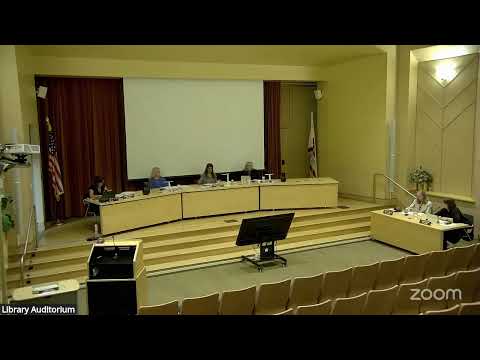
The Orinda Teen Advisory Council (OTAC) presented its annual report to the City Council on May 20, reporting membership growth, a new officer structure, issue-based working groups and a calendar of events for the year.
Todd Trimble, Parks and Recreation Director, introduced the presentation and turned the floor over to Recreation Coordinator Spencer Beatty and OTAC chair George Balan, who outlined accomplishments and future plans. The council heard that OTAC membership rose to 40 at the start of the year from about 20 the prior year, with higher meeting turnout and expanded middle-school participation.
"We began with an incredible 40 at the beginning of the year. This obviously trickled down a little bit, but across the board, I think the conclusion is that every year, we're kind of seeing an increase in numbers," OTAC chair George Balan said during the presentation.
OTAC listed annual events it ran or supported: Orinda Action Day, a Red Cross blood drive, Winterfest, kids’ nights out, a trunk-or-treat, and a new expert speaker series that brought city and agency staff to speak to the teens. The council also heard that OTAC formed inaugural issue-based topic areas — specifically fire-safety education and evacuation awareness, park amenities and access, and traffic-safety measures (sidewalk access and driver education) — and met with city staff and fire and public-works representatives for information and planning.
The council asked how the city could help OTAC’s fire-preparedness work. OTAC suggested expanding school-hosted education nights and offering more classes or events tied to fire and evacuation preparedness at schools and community venues. Council and staff signaled support; staff said the city is planning community-education nights in the fall at school sites, and invited OTAC to help publicize those events.
What happens next: OTAC will continue existing events, expand collaborations (including possible events with neighboring youth councils), and work with city staff on education nights and other projects that turn their issue-group recommendations into action. Council members praised the group’s growth and recommended continued city partnership and outreach assistance.