Get Full Government Meeting Transcripts, Videos, & Alerts Forever!
Get email alerts on the Adult Foster Homes Safety topic
No spam. Unsubscribe anytime.
Committee extends temporary sprinkler exemption for adult foster and residential training homes, schedules interim work
Summary
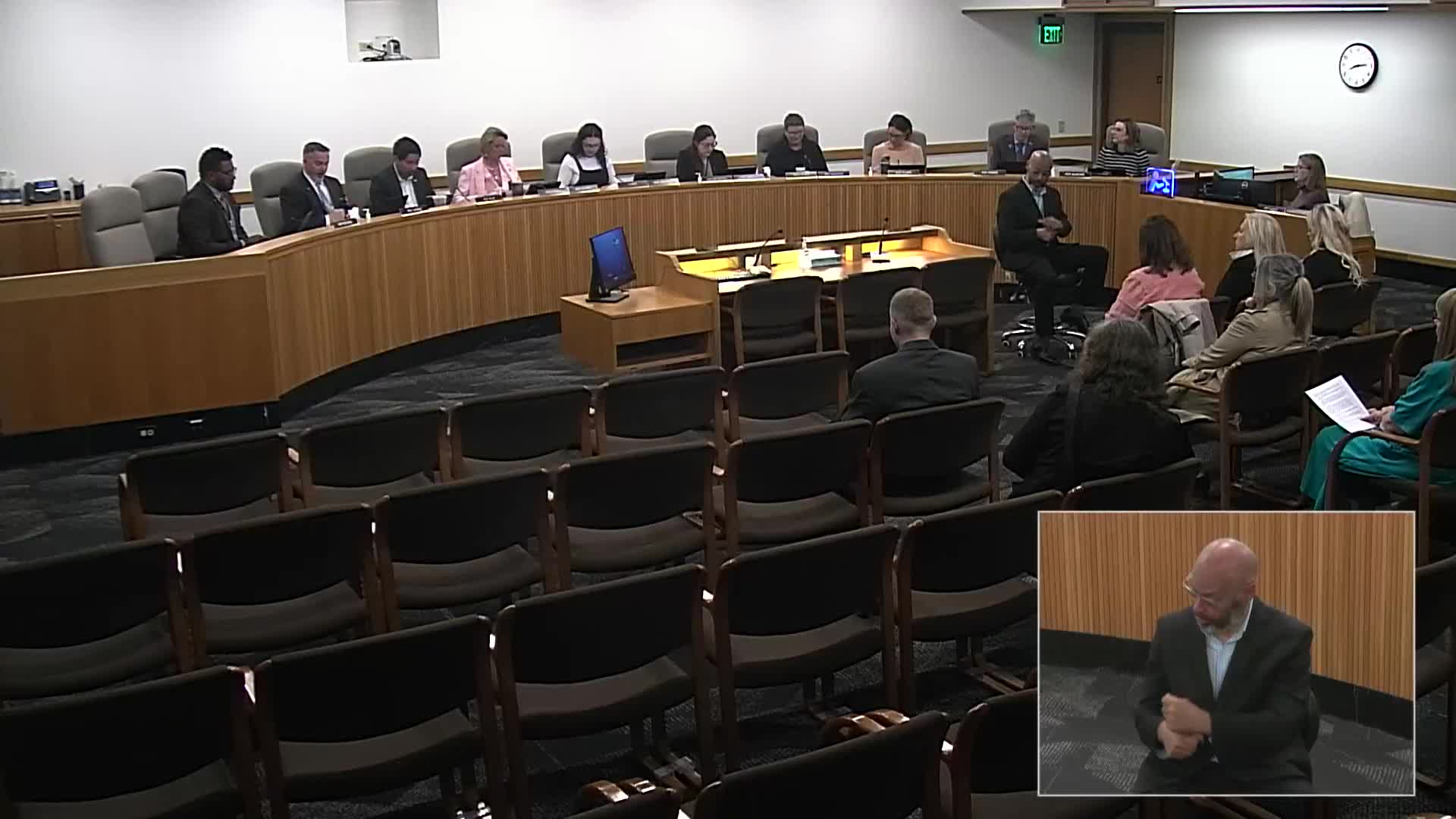
The House committee on Early Childhood and Human Services on May 20 adopted a -1 amendment to Senate Bill 1066 to extend a temporary exemption from state sprinkler requirements for adult foster homes and residential training homes through Jan. 2, 2029, and heard provider witnesses on current safety practices.
The House Committee on Early Childhood and Human Services on May 20 adopted a -1 amendment to Senate Bill 1066 that extends a temporary exemption from state building‑code requirements to install automatic sprinkler systems in adult foster homes and residential training homes, and directed interim work to seek a longer‑term solution.
Committee staff summarized the amendment as replacing a permanent exemption with a time‑limited one: the -1 amendment “extends to 01/02/2029 rather than makes permanent,” and extends the exemption to homes licensed prior to July 1, 2028; the amendment also declares an emergency and is effective on passage, the summary said. Staff reported no fiscal or revenue impact on OLIS.
Vice Chair Walters moved adoption of the -1 amendment and the committee approved the motion. Committee members expressed a desire for further work during the interim to balance safety and cost. Chair Hartman said the extension will allow interim work “to find, a proper path that keeps everyone safe. But also acknowledging that it's, it's very expensive to get sprinklers in into already existing homes.”
Providers gave testimony to the committee about current safety practices. Amanda Dalton of the Oregon Resource Association said the association represents residential providers and has been involved in the sprinkler discussion for years. Joanne Furman, an operator of residential homes, described provider safety protocols in detail: monthly checks of fire alarms, fire extinguishers, written individual evacuation plans, regular drills demonstrating exits within three minutes, 24‑hour awake staff in many homes, and partnerships with neighbors when appropriate. Furman said many homes are rented rather than owned and that most now house one to three residents rather than larger congregate settings.
Committee members repeatedly voiced concern over costs for existing homes, the need to include fire marshals and other safety stakeholders in interim work, and the goal of not creating barriers that reduce housing options for people with disabilities.
The committee later moved SB 1066, as amended, to the floor with a due‑pass recommendation and selected Vice Chair Walters to carry the bill.