Get Full Government Meeting Transcripts, Videos, & Alerts Forever!
Get email alerts on the Civil Liberties topic
No spam. Unsubscribe anytime.
House passes bill protecting speech that informs others of their legal rights amid contentious debate
Summary
Senate Bill 11‑91 passed the House following extensive debate over whether clarifying that informing others of their civil or constitutional rights is protected speech would hinder law‑enforcement operations.
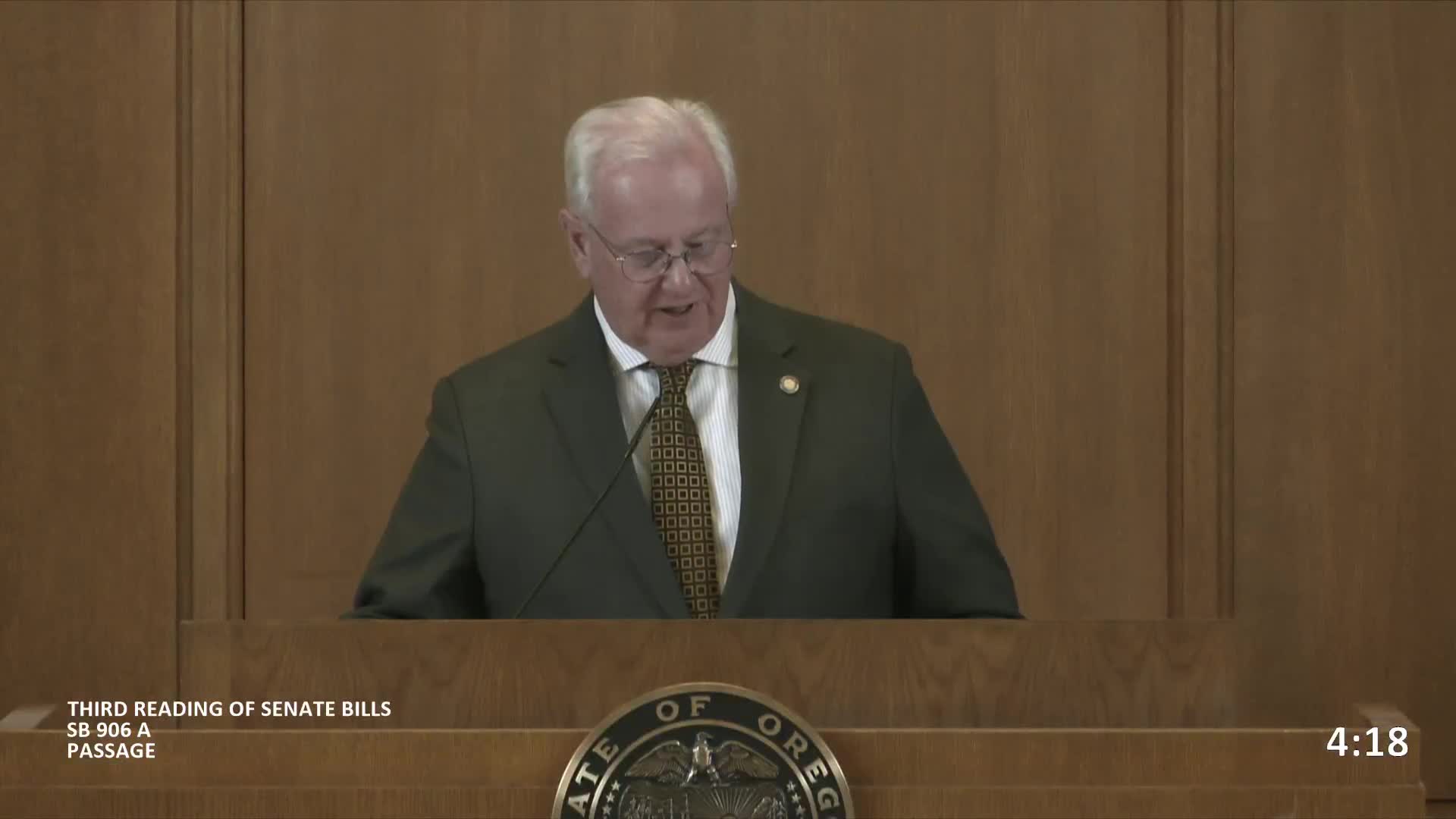
The House approved Senate Bill 11‑91 on third reading after sustained, sometimes heated debate over public‑safety tradeoffs and free‑speech protections. Representative Travis Anderson, the bill carrier, described the measure as a narrow clarification protecting speech that informs others of their civil or constitutional rights from criminal liability for obstruction or interference with law enforcement.
Why it matters: The bill drew sustained floor conversation because it sits at the intersection of constitutional free‑speech protections and laws that prohibit interference with peace officers. Supporters argued the measure simply protects the act of informing others about their rights; opponents warned the statutory language was too vague and could be used to disrupt police activity or escalate confrontations.
Representative Anderson said the change was straightforward: it “allows Oregonians to inform other Oregonians of their civil or constitutional rights without themselves being guilty of a crime related to interfering with law enforcement.” He said the bill protects advocates, organizers and bystanders who advise people of rights such as the right to remain silent or to counsel.
Opponents on the floor, including Representative Helfrich (a former street officer) and Representative Mannix, argued the amendment could create a loophole exploited to obstruct arrests or incite crowds. Helfrich repeatedly warned that the exemption could be used by actors to “get in between the police officer and the person that's being pulled over” and could “escalate volatile situations.” Mannix and others emphasized historical expectations that citizens not interfere with peace officers and argued the bill was unnecessary.
Other members noted that no law‑enforcement organization had testified in opposition during committee hearings, and Rep. Chotson said the bill clarified existing protections and sent a clear message that informing others of rights is permitted. The sponsor closed by recounting a personal family example he said illustrated why the protection matters.
After the debate the clerk opened the voting system; the chair declared Senate Bill 11‑91 passed with the constitutional majority. The transcript shows multiple members both urging aye and voicing no votes; the final result was passage.