Get Full Government Meeting Transcripts, Videos, & Alerts Forever!
Get email alerts on the Estate Administration topic
No spam. Unsubscribe anytime.
Senate updates unclaimed-property rules to cover digital assets and streamline estate sales
Summary
Senate Bill 146 clarifies how unclaimed property and digital assets are handled when estates revert to the state, adds digital-assets definitions and procedures, and permits the state treasurer to decline or direct liquidation of certain digital holdings.
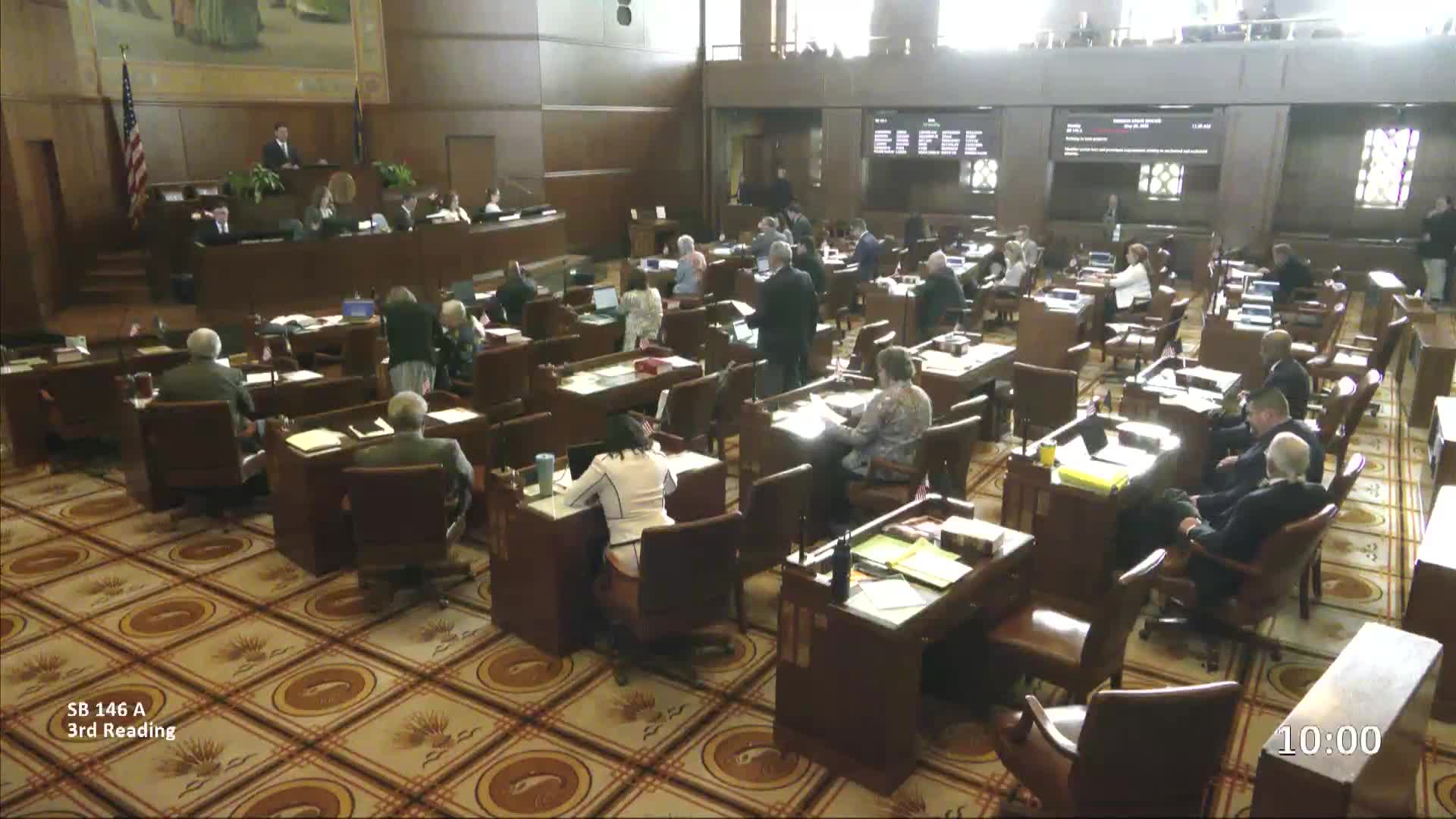
The Oregon Senate unanimously passed Senate Bill 146 on third reading, approving changes to how unclaimed property and estate assets revert to the state treasurer and adding specific language for digital assets such as cryptocurrency.
The bill requires personal representatives to make a good-faith effort to liquidate property before it reverts to the state and permits a court to authorize sale if an heir cannot be found within 30 days of judgment. It defines "digital assets" and treats them as intangible property; digital assets are deemed abandoned after three years with no contact from the owner, at which point holders must either turn over access credentials or annually attempt to contact the owner. The state treasurer is given authority to decline certain digital assets or require liquidation and may sell received assets by reasonable commercial methods and deposit proceeds into the unclaimed property and estates fund.
Senator Meek, who presented the measure, characterized the bill as a "technical but important update" that modernizes state handling of property that reverts to the state when estates cannot be distributed. "This bill clarifies and modernizes that process," Meek said on the floor, outlining the 30-day and three-year elements and the treasurer's discretion on digital holdings.
The bill also removes aggregation of minimally valued assets and ensures the treasurer receives the same notices an original devisee would have received. The sponsor noted the measure passed unanimously out of the Senate Finance and Revenue Committee and indicated it had no revenue impact and a minimal fiscal impact.
On third reading the clerk announced the bill had received a constitutional majority and declared Senate Bill 146 passed with 29 ayes recorded.
The changes place new duties on personal representatives and holders of digital assets and direct the state treasurer to treat digital credentials or keys in particular ways depending on whether holders can access them. The measure authorizes the treasurer to sell real or digital property using reasonable commercial methods and directs deposit of sale proceeds into the unclaimed property and estates fund.