Get Full Government Meeting Transcripts, Videos, & Alerts Forever!
Get email alerts on the Towing Board Restructuring topic
No spam. Unsubscribe anytime.
Committee moves towing board into independent agency structure; bill sent to Ways and Means
Summary
House Bill 3186, as amended, would establish the Oregon State Board of Towing as an independent entity separate from ODOT, adjust member qualifications, and continuously appropriate the board's account; committee adopted the dash-1 amendment and referred the bill to Ways and Means for fiscal review.
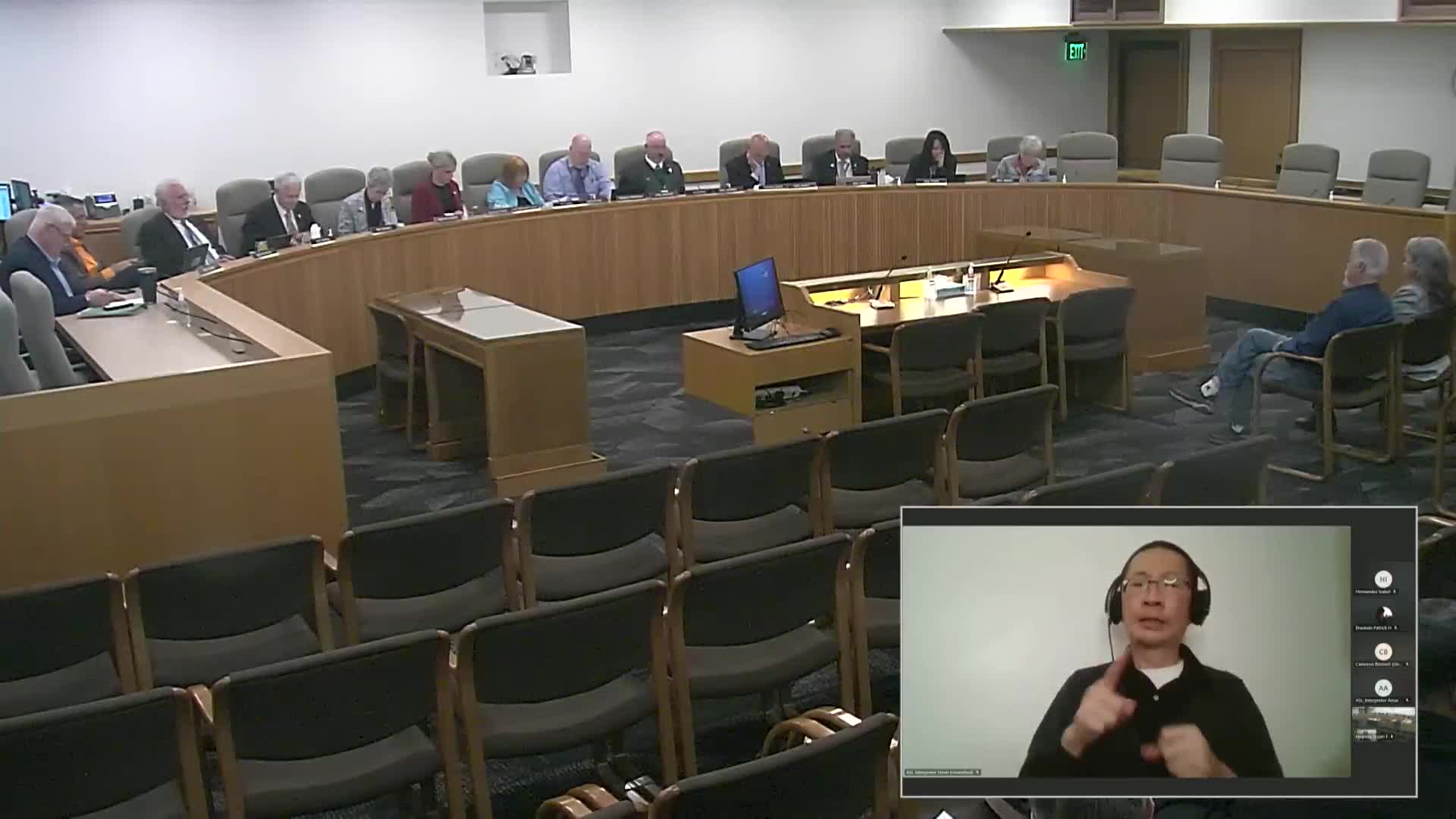
The committee adopted a dash-1 amendment to House Bill 3186 and moved the measure, as amended, to the floor with a due-pass recommendation and referral to the Committee on Ways and Means. The bill restructures the State Board of Towing as an independent entity separate from the Oregon Department of Transportation and changes certain membership qualifications.
Key changes described in committee staff's summary include making the board independent, allowing ODOT to provide administrative services under interagency agreement and charging the board a fee for those services, and continuously appropriating money directly to the newly named Oregon State Board of Towing account rather than to ODOT. The dash-1 amendment also adjusts two of the nine board-member qualifications: insurance-industry representatives are to specialize in property and casualty insurance that affects towing, and the chief-of-police/county-sheriff slot is broadened to any sworn law enforcement officer with local towing experience.
Committee staff said the measure has an indeterminate fiscal impact because funds are moved between accounts; the Legislative Fiscal Office requested referral to Ways and Means. Committee discussion was limited in the transcript; members adopted the amendment and approved sending the bill to Ways and Means.
Discussion vs. decision: The committee adopted the amendment and decided to send the bill to Ways and Means; fiscal details will be resolved in that committee.
Next steps: Ways and Means will review fiscal impacts and continuous appropriation language before the full chamber receives the bill.