Get Full Government Meeting Transcripts, Videos, & Alerts Forever!
Get email alerts on the Education Cellphone Policy topic
No spam. Unsubscribe anytime.
Committee debate on student cellphone policy exposes sharp divisions; no final committee action
Summary
A lengthy Senate Education Committee debate May 21 over House Bill 2,251 — which would set statewide rules for student cellphone use in schools — highlighted strong division between members who want state guidance and those who argued the bill is too prescriptive and risks harming students who rely on devices for accommodation.
The Senate Education Committee devoted substantial time on May 21 to a broad and often fractious discussion of House Bill 2,251, a measure that would create statewide rules about student cellphone use in schools. Committee members and outside commenters described a wide range of stakeholder positions: some districts and parents urged stronger restrictions to improve classroom focus, while many superintendents, principals and teachers warned that a prescriptive, unfunded statewide mandate would create enforcement and equity problems.
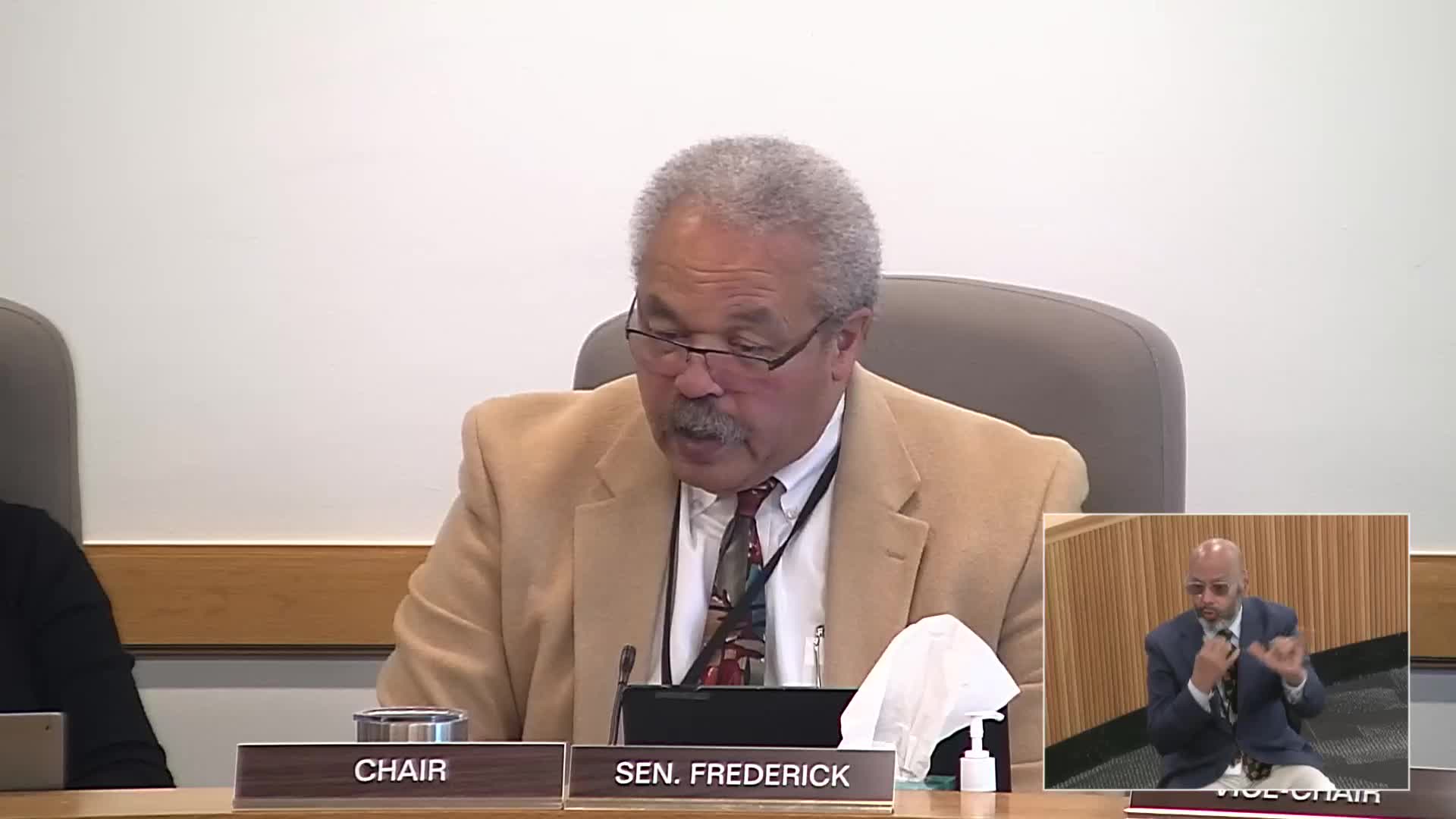
Chair Frederick framed the options available to the committee — voting on the bill, sending it to the Rules Committee for further work or taking other steps to keep it alive before session deadlines. Members detailed state and local experiences: one senator said her district had adopted strong local policies through community meetings and urged respect for local control; another member said districts were asking the state for guidance because they lacked consistency and local political cover to enforce stricter policies.
Several senators said they worried that a statewide prescription—especially without dedicated implementation funding—would create an unfunded mandate. One committee member said districts in other states received implementation funding (citing New York’s approach) and asked where funding would come from if the state required pouch storage or additional staff to supervise policies. Other senators worried that removing language about "independent communication" from statute could harm students who rely on phones and devices for augmentative communication or adaptive tools that are not explicitly listed in individualized education plans or 504 plans.
Supporters of state action argued removing phones from classroom bell-to-bell would help teachers manage instruction and reduce distractions; opponents said the bill, as amended in committee, had become too prescriptive and could restrict legitimate classroom uses of devices for learning. Several senators said they had consulted superintendents, teachers and school-board members in their districts; some reported broad local support for action, while others reported strong opposition. At least one senator said she would support sending the bill to the Rules Committee to work out compromises; others worried that Rules would be a political battleground rather than a problem-solving venue.
The committee did not record a final vote on the bill during the hearing. Members said they would continue discussions outside the hearing room, and Chair Frederick said he would reach out to rules leadership and others to explore whether the Rules Committee could further refine the measure. The committee announced plans to reconvene the following week with teachers scheduled to testify. No formal committee referral or floor action on the cellphone bill was recorded in the transcript excerpt provided.