Get Full Government Meeting Transcripts, Videos, & Alerts Forever!
Get email alerts on the Publishing Process topic
No spam. Unsubscribe anytime.
Author Jeanette describes step-by-step path from reporter to novelist and the book production process
Summary
At a public reading in Missoula, author Jeanette recounted her shift from newspaper reporter to full-time novelist and outlined the stages of preparing a manuscript for publication, from drafting and editorial letters to typesetting and uncorrected proofs.
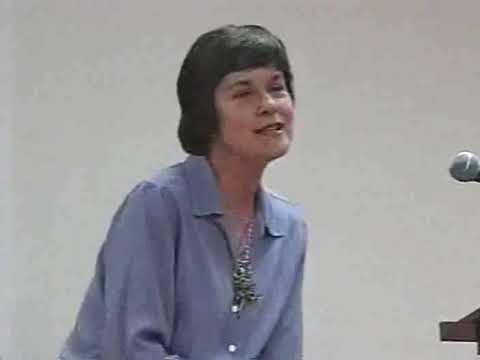
Jeanette, an author who said she previously worked at the Missoulian, described how she moved from newspaper reporting into fiction and mapped the publishing steps she experienced for her novel Mandy and the forthcoming Pictures.
"I absolutely love it and I've got to tell you I have finally, finally, after years and years, found what I think is the world's most perfect job," Jeanette said, summarizing why she pursued fiction full time after a career that included reporting, editing and magazine writing.
She told listeners the writing process for her novels begins with character-driven free writing on her computer and a weekly printout of that material. "A book starts with character and that plot grows out of character," she said, describing how journal-style free writing helps her discover voices and scenes she later develops into chapters.
Jeanette then walked through the typical production track after a publisher accepts a manuscript. She described receiving an editorial letter keyed to numbered margin notes, responding with a first revision in a few weeks, then working with a copy editor to resolve grammar, punctuation and voice issues. She said final changes are tracked on the manuscript and the writer authorizes corrections before typesetting.
She described the steps that follow typesetting: rough pages, uncorrected proofs sent months before publication so reviewers and sales representatives can see the book, signatures (folded groups of pages) and finally a bound finished book. Along the way she said authors check rough pages and uncorrected proofs and that some minor expansions may be added in response to seeing the book's layout — she cited expanding a braille explanation after seeing chapter-number braille symbols on rough pages.
Jeanette named her publisher and editor and said she spent time in the publisher's trade offices to work through editorial questions in person. She also emphasized the length of the process and the contract obligations authors have at each stage. "There's a long lag if it's a book," she said, noting the contract and production steps that follow acceptance.
The session closed with Jeanette answering audience questions about sales, markets and her next projects; she described Pictures (working title) as scheduled for release "tentatively a year from August" (year not specified) and said she sold her first novel to Harcourt Brace.
Less critical publication details — including how authors receive rough pages and the physical appearance of signatures — rounded out her account of the production sequence.