Get Full Government Meeting Transcripts, Videos, & Alerts Forever!
Get email alerts on the School Transportation topic
No spam. Unsubscribe anytime.
Revere officials debate transportation shortfall, propose ending middle-school lottery and raising distance limits to save millions
Summary
City and school leaders described an estimated $1.9 million transportation funding gap for FY26 and discussed options including shifting middle-school eligibility from one mile to two miles, phasing out the school lottery, actualizing circuit-breaker reimbursements and renegotiating vendor bids.
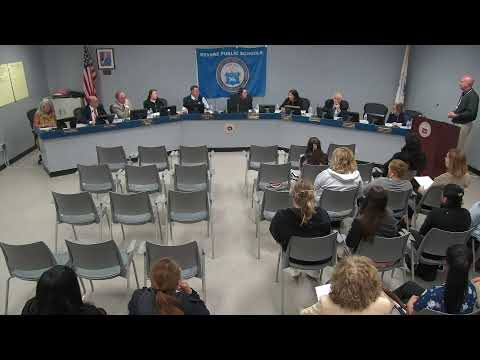
The Revere School Committee and city finance officials spent the bulk of their May 20 meeting debating how to cover an estimated $1.9 million shortfall in school transportation costs for the coming fiscal year.
CFO Matt Cruz and district staff summarized the budget math: the full programmatic cost to run transportation as currently configured is roughly $14.6 million. State and federal reimbursements (special education circuit-breaker, homeless student transportation, and other reimbursements) reduce the district’s net burden by roughly $3 million to about $11.6 million. The city indicated it can provide approximately $9.7 million for transportation, leaving an estimated gap around $1.9 million.
Officials and committee members discussed programmatic changes to reduce costs. One analysis showed raising the eligibility threshold for middle-school bus service from 1 mile to 2 miles could save about $900,000 next year by reducing runs. Phasing out the inter-district middle-school lottery would not yield immediate FY26 savings for enrolled seventh- and eighth-graders but could save an estimated $300,000–$400,000 as the lottery is exhausted; a committee member estimated neighborhood redistricting could save about $1.5 million in transportation costs when fully implemented.
Committee members debated the pace and equity of any change. One member called for immediate elimination of the lottery for new entrants to realize savings quickly; another warned that redistricting requires a consultant study to draw equitable neighborhood lines and that abrupt changes would displace students and provoke community backlash. “Making changes in the eleventh hour is not going to solve problems; it’s going to create more problems,” said one committee member who urged a deliberate planning process.
Officials discussed using circuit-breaker reimbursements as received (actualizing receipts) to cover part of the FY26 gap; staff said it is legal to apply reimbursements in the year they are received but doing so increases risk for subsequent years because the reimbursements are typically budgeted in arrears. The administration also noted that transportation costs in Revere are affected by local geography, special education routing and higher-than-average homeless-student transportation needs compared with similar-sized districts.
Other levers discussed included: renegotiating contractor bids with transportation vendors; limiting high-school transport eligibility; pairing with neighboring districts to share runs; and using reserve accounts to smooth the budget. The committee voted to refer the issue to a Committee of the Whole for rapid follow-up and asked members to submit specific scenarios for staff to analyze and quantify (student counts, bus runs affected, and estimated dollar savings).
No final policy decision was taken on May 20; the committee set a timeline for additional, expedited analysis and a follow-up Committee of the Whole to present options and student-impact scenarios before final budget adoption.