Get Full Government Meeting Transcripts, Videos, & Alerts Forever!
Get email alerts on the Development And Land Use topic
No spam. Unsubscribe anytime.
Residents urge city to block Love's truck stop near homes, cite noise, safety and tax-abatement concerns
Summary
Several residents told the council a planned Love's truck stop would sit about 30 feet from homes and requested mitigation measures or reversal of approvals; they asked why the project received tax abatements and whether it complied with county land‑use guidance.
Residents of Joliet told the City Council they oppose a proposed Love's truck stop near a residential area and asked elected officials to explain approvals and protective measures.
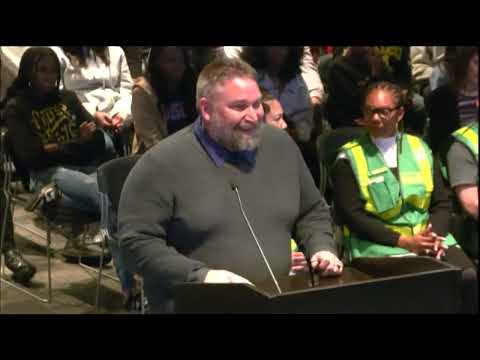
Diane Matter, who identified herself as a resident at 1316 New Lenox Road, said the proposed truck stop would be built “mere 30 feet from residential properties” and urged council members to inspect the site. Matter asked whether the council had considered noise and traffic impacts, land‑use guidance from Will County and federal sources, and reports that the developer was offered tax abatements. She listed community concerns including noise, light pollution, increased traffic, potential groundwater contamination, and public-safety issues and proposed mitigation measures such as double berms, a 13‑foot concrete fence, enhanced lighting controls, spill containment and restricted tire-center hours.
Another resident described personal stress and health impacts tied to nearby development, urging the council to “stop putting profits over people's lives” and to prioritize residents’ well‑being.
The speakers asked for clarity about why the project proceeded despite guidance they said discouraged such uses near homes and requested transparency about any tax incentives awarded to the developer. No council vote or formal staff response addressing approvals or incentives was recorded during the meeting; the matter appeared in public comment rather than on the consent or ordinance agenda.
City staff did not provide a detailed reply at the meeting; the comments were recorded during the public‑comment period and council members did not make formal motions in response.