Get Full Government Meeting Transcripts, Videos, & Alerts Forever!
Get email alerts on the Budget Fiscal 2026 topic
No spam. Unsubscribe anytime.
Wallingford‑Swarthmore board hears FY26 preliminary budget; administration proposes 2.79% tax increase
Summary
Business Administrator DeJuana Mulvey presented the district's preliminary fiscal 2026 budget on May 19, outlining a proposed 2.79% tax increase, changes to personnel and benefits costs, and an unexpected ESSER grant recovery of $672,000.
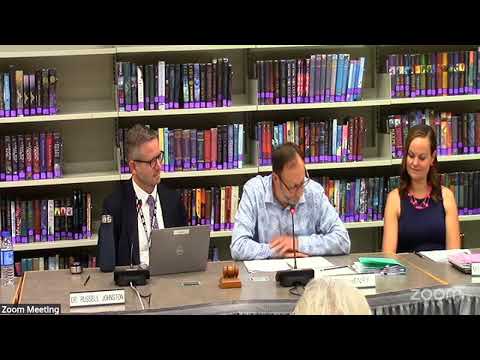
DeJuana Mulvey, the district business administrator, presented the Wallingford‑Swarthmore School District preliminary budget for fiscal year 2026 at the May 19 board meeting and said the administration is proposing a 2.79% property tax increase for the coming year.
"The proposed tax increase for next year's budget is 2.79%," Mulvey said while outlining revenue and expenditure projections and a multi‑year approach to budgeting.
Why it matters: The preliminary budget sets the district's spending plan and tax proposal for public review; it is a first reading and not the final adopted budget. Mulvey said the preliminary budget reflects negotiated compensation changes, benefit cost increases and several positions the administration described as "new money." Board approval tonight advances the plan to the next step in the process.
Key figures and changes Mulvey presented: total projected expenditures of $105,157,157.52; projected local revenues of $80,614,900; projected state revenues of $22,594,585.56; and projected federal revenues of $406,161. The district's taxable assessed value used in the presentation was reported as $2,592,000,000.
Mulvey highlighted several drivers behind the budget: a 0.1 percentage‑point increase in the PSERS retirement contribution rate (from 33.9% to 34%), which she estimated would cost about $45,000 with current salary data; a 5.76% increase in district medical costs and a 6.28% increase in dental; and projected salary cost changes from recently settled compensation plans and anticipated settlements for other employee groups.
On staffing, the preliminary budget lists two positions presented as potential savings or replacements for contracted services: a supervisor of instructional technology (to bring some outsourced professional services in‑house) and a procurement position intended to centralize and publicize purchasing and competitive bidding. Mulvey said bringing services in‑house already paid for externally (examples: athletic trainers, behavioral health counselors, noncertified nurses) produced net annual cost increases the district quantified: roughly $25,000 for a middle‑ and high‑school athletic trainer post, about $40,000 for two behavioral health counselors and about $80,000 for two noncertified nurses.
On ESSER and other one‑time items, Mulvey acknowledged a recent expenditure reporting effort led by Dr. Leslie Pratt and others. She said, "Due to her hard work, the district on May 22 will actually receive $672,000 that we were expecting not to receive." The presentation also removed a previously planned $400,000 transfer to capital from the proposed FY26 budget and showed a reduction in expected education service agreement costs from $1.7 million to $1.2 million (with about $975,000 already committed to existing agreements).
Mulvey said the budget currently reflects six TOSA positions (instructional coaches) in the multi‑year model (three APLA and three MAP) after revisions from an earlier proposal that included fewer positions. She described the FY24–25 budget as the new baseline for multi‑year financial planning and said the business office has performed cost‑to‑actual reviews during the year to improve coding and forecasting.
Process and next steps: Mulvey reminded the board and public that the vote taken this evening is for the preliminary budget (a first‑reading adoption), not final adoption. The presentation and supporting committee meetings will continue through June; the administration recommended that any excess fund balance be directed to a board‑approved debt service committed fund to support a future capital plan if and when the board approves a 10‑year capital borrowing schedule.
Board action: The board voted in favor of the preliminary budget items during the finance consent agenda; the roll‑call vote passed 9–0. Board members thanked Mulvey and district budget managers for the baseline work that administrators said allowed the district to reduce some costs and plan multi‑year projections.
Ending: Mulvey encouraged interested residents to review the detailed finance committee recordings and proposed documents on the district YouTube channel and noted that more detailed capital‑plan modeling will follow if the board decides on a borrowing schedule.