Get Full Government Meeting Transcripts, Videos, & Alerts Forever!
Get email alerts on the Museum Governance topic
No spam. Unsubscribe anytime.
Museum advocates warn of accreditation, urge council to approve operations agreement; vote postponed
Summary
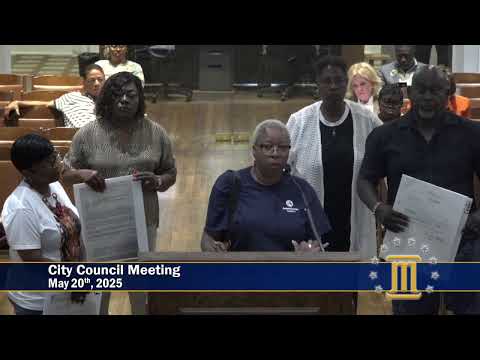
Supporters of the Montgomery Museum of Fine Arts told the City Council on May 20 that approving a museum governance and operations memorandum of understanding is necessary to protect the museum’s accreditation and collections, and to clarify responsibilities between the city and the museum boards.
Supporters of the Montgomery Museum of Fine Arts and members of the museum’s governing board urged the Montgomery City Council on May 20 to approve a memorandum of understanding that they say would restore the intended public‑private governance of the museum and protect its accreditation and collections.
Bill Ford, president of the Museum Association Board, told the council the museum “welcomes every citizen of this city to celebrate the transformative power of fine art” and asked elected officials to pass the MOU so the museum and its association can continue to operate effectively.
The request followed a string of public statements from museum leaders and volunteers who said city staff have at times acted without consulting the museum’s governing board and that unresolved maintenance and operational issues could jeopardize the institution. Retired Alabama Supreme Court Chief Justice Sue Veil Cobb, who said she serves as president of the City Museum Board, told the council she had reviewed the legislative act and the Blunt deed and concluded the museum board and the association “have both the law and the facts 100%, their side.”
Advocates pointed to three legal documents discussed repeatedly during the hearing: the deed from Wynton and Carolyn Blunt that conveyed the museum property, a 2017 memorandum of understanding that the museum says is the basis of its accreditation, and an Attorney General opinion addressing the relationship between the city, the city‑appointed museum board and the museum association. Council members and the city attorney discussed those authorities during the meeting.
Council members expressed competing concerns. Some said the museum governance structure has worked and should be left to the museum boards; others said the city must ensure its legal obligations are met and that the city’s officials and employees not exceed their authority. City Attorney Mary Bellas warned council members that passing the MOU without resolving certain legal questions could prompt litigation and delay hiring a permanent executive director or resolving accreditation requirements.
Speakers who raised operational problems described repeated maintenance failures — a broken railing on a public‑facing terrace, HVAC and humidity control issues tied to conservation, and an instance when a vendor was dismissed by city employees without consultation with the museum board. Museum staff and volunteers said those unresolved items have limited public use of museum facilities and harmed the association’s ability to raise operating revenue.
Council President Cece Calhoun said the council had been discussing the issue for about a year and that she wanted an agreement that would keep the museum operating while addressing practical concerns. Council members agreed not to vote on the MOU at the meeting; instead, the council carried the item over for two weeks and asked members who sit on the museum board to consult with their colleagues and return recommendations.
The council did not adopt the MOU at the May 20 meeting. The debate left several open items the city and the museum’s boards said must be resolved before a final agreement: a clear allocation of hiring authority for an executive director, a process for addressing maintenance obligations for the building and grounds, and assurances the museum can meet American Alliance of Museums accreditation standards. During the hearing a museum advocate noted that, under the deed, the council would have 90 days to cure a breach after notice was given — a timeline speakers said adds urgency.
The council will revisit the item in two weeks; council members instructed the city attorney and their museum appointees to continue negotiating language and to present any amendments for council consideration.