Phoenix Vision Zero committee approves resolution urging protected bikeway on Third Street
Get AI-powered insights, summaries, and transcripts
SubscribeSummary
The Phoenix Vision Zero Community Advisory Committee voted to adopt a resolution supporting a separated (protected) bikeway on Third Street through downtown after public testimony and a committee amendment adding a safety justification.
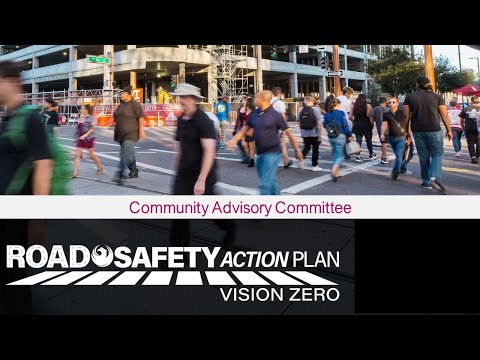
The Phoenix Vision Zero Community Advisory Committee on Tuesday voted to adopt a resolution recommending installation of a separated (protected) bikeway on Third Street through downtown.
The committee voted to approve the resolution, including an amendment by committee member Randy Dipper that adds a safety finding and replaces the phrase “buffered and protected” with the term “separated bike lanes.” The motion to adopt the resolution was moved by Randy Dipper and seconded by Tyler; the committee chair called the voice vote and recorded no opposition.
Committee members and more than a dozen public speakers urged the committee to close a north–south gap in downtown’s bicycle network. “Downtown Phoenix needs a safe and continuous corridor for people biking and using other micromobility options,” said Dylan, a Phoenix resident who spoke during public comment. David Fernandez, who said he has ridden in Phoenix since 2014, described weaving around buses and “dodging doors” where bike lanes end and said protected lanes would make downtown more inviting to new riders.
Support also came from local organizations and neighborhood leaders. Will Reuben, board member of the Urban Phoenix Project and a resident on Third Street, said the corridor “connects to the existing bike lanes to the north” and would serve arena and stadium crowds. David Beckford, president of Phoenix Spokespeople, urged the city to “overcome the opposition and make this project happen.” Jamie Trufin, president of the Downtown Core Neighborhood, said neighborhood residents want the project and that better connections would improve access to jobs and green space.
During committee discussion, Randy Dipper proposed three changes he said would strengthen the resolution: delete an inaccurate “whereas” that said there was no north–south bike lane in downtown; add a data-based safety whereas (he cited research showing separated bike lanes reduce total crashes and cyclist-involved crashes by roughly 45–54 percent); and replace the wording “buffered and protected bike lane” with “separated bike lanes,” a term used in federal and industry guidance. The committee accepted the amendments.
The resolution was presented to the committee as a recommendation and was debated at length in public comment and during committee discussion. The committee did not specify a timeline for further council action in the meeting record and did not record any subsequent council vote during this session.
Public commenters asked the streets department to coordinate with downtown businesses, arena operators and neighborhood plans to limit negative impacts from events and to revise the outdated “Sunburst” evacuation plan mentioned by multiple speakers. Nicole Rodriguez of the Urban Phoenix Project and David Beckford both urged staff to update event and circulation plans so that the bikeway supports economic activity rather than forcing rapid post-event exits.
The motion, as amended, passed on a voice vote with the chair calling “aye” and reporting no “nay” votes.
Committee members said they plan to follow up with staff on implementation details and next steps, though the meeting record did not include a specific implementation schedule or funding commitment.
The committee moved on to other Vision Zero items after the vote; no city council action was recorded at this meeting.