Get Full Government Meeting Transcripts, Videos, & Alerts Forever!
Get email alerts on the Tribal Energy Sovereignty topic
No spam. Unsubscribe anytime.
Blackfeet and tribal representatives describe projects, funding barriers and partnerships for tribal clean energy
Summary
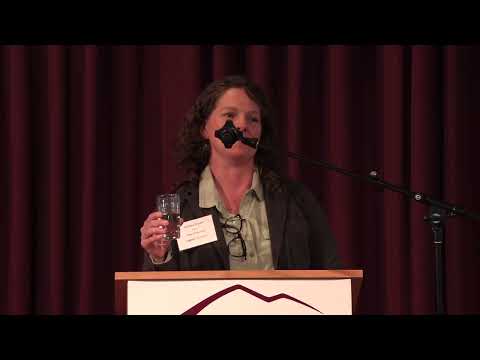
Gerald Wagner, director of the Blackfeet Nation Environmental Program, and Patrick, owner of Red Medicine LLC and tribal lobbyist, spoke about tribal clean-energy pilots and persistent barriers at the Northwest Energy Coalition conference.
Gerald Wagner, director of the Blackfeet Nation Environmental Program, and Patrick (state lobbyist and owner of Red Medicine LLC) spoke at the Northwest Energy Coalition conference about tribal clean-energy efforts in Montana, current projects and the barriers tribes face securing funding, grid access and workforce capacity.
Wagner said the tribe’s climate and renewable-energy work grew from local environmental monitoring and climate-adaptation planning. “The need to use alternative energy and energy sources that are renewable and non carbon producing was where our next goal was planted and needed to be nurtured and fertilized to have a positive impact for the next 7 generations,” Wagner said.
Examples of projects and pilots - Beaver-mimicry water-storage (Sysustek) project: Wagner described small-scale projects that mimic beaver activity to store water, raise water tables and restore riparian vegetation; results included rising water tables and increased wildlife usage in pilot locations. - Distributed solar and community projects: Wagner and Patrick described plans or pilots including a 17-home solar installation, microgrids, mobile solar generators, EV charging stations and proposals for electric buses and heavy equipment electrification. - Local community projects: Wagner and Patrick referenced the Heart Butte / Heart Butte (Heart Butte/Harbor Butte) community solar pilot and other reservation-level renewable efforts intended to reduce household energy burdens.
Barriers and constraints raised - Access to funding and administration: Both speakers said tribes face hurdles getting federal and state funds to the reservation level and described competition with nontribal utilities and contractors for grants and project administration. Patrick said tribes must sometimes create their own enterprises to apply directly for funding rather than rely on nontribal partners. - Grid access and markets: Wagner noted that producing electricity is only part of the challenge; tribes must be able to move power to buyers. On some projects the grid and market routes needed to reach larger purchasers (for example, Bonneville Power Administration markets to the west) remain a barrier. - Workforce and infrastructure costs: Speakers cited the need to build a trained local workforce to install and maintain renewable systems and the high cost of extending infrastructure across large, sparsely populated areas. - Policy, consultation and ownership: Panelists said meaningful government-to-government consultation and tribal participation in grant writing and program design are needed; they also urged more transparent state processes and tribal liaisons within state agencies.
Legislative and political engagement Patrick described the role of the Montana Indian caucus in the state legislature and how tribal state legislators help elevate tribal priorities: “The Indian caucus … has been around for about 30, 40, 35 years and has, been a real, example of how as native tribes become more educated and and understanding of this, non Indian governmental process, that we can point to legislators … that understand our real needs back home,” Patrick said.
Community and partnership recommendations Wagner urged partners to bring technical assistance, equipment and funding to tribal projects and to treat tribes as full partners. Both speakers emphasized networking across tribes, nonprofits and state agencies to share models and scale proven pilots, and they called for more training opportunities so rural and tribal communities can build local capacity.
Ending Panelists closed by urging conference attendees to pursue partnerships: Wagner asked allies to “come forth, and let's share the knowledge,” and Patrick offered Red Medicine as a resource for nontribal organizations seeking to work productively with tribes.