Get Full Government Meeting Transcripts, Videos, & Alerts Forever!
Get email alerts on the Clean Energy Local Government topic
No spam. Unsubscribe anytime.
Missoula mayor outlines municipal energy upgrades, community solar push and zoning changes
Summary
Mayor Andrea Davis told attendees at the Northwest Energy Coalition conference that Missoula has completed municipal energy audits, launched dozens of efficiency projects, installed a solar array at the wastewater plant and is working on a community solar program and zoning reforms to support electrification and smaller, energy-efficient housing.
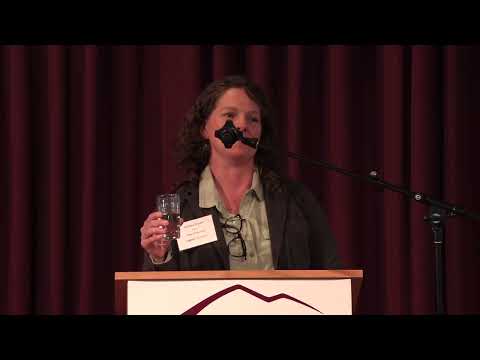
Missoula Mayor Andrea Davis outlined a series of city actions and planned programs to expand clean energy, reduce municipal emissions and align land-use rules to support energy-efficient housing at the Northwest Energy Coalition’s spring conference in Missoula.
Davis said the city “completed an energy audit of our municipal buildings and we have launched 58 energy saving projects across 13 facilities,” and that the city has installed a solar array at its wastewater treatment plant to “reduce emissions and saving tax payer dollars.”
The mayor framed the work as part of a broader city commitment to emissions reductions and community resilience. “We pledged to power Missoula with 100% clean electricity by 02/1930,” Davis said. She also described a pledge for city operations to be carbon neutral “by 02/2025” and a community-wide carbon neutrality planning goal she said was aimed at “02/1950.”
Why this matters: the measures Davis described — municipal upgrades, a new green power program and a zoning rewrite — are intended to lower residents’ utility costs and make it easier to deploy distributed clean energy at scale. The mayor highlighted how city projects can both reduce greenhouse-gas emissions and save taxpayer dollars.
Details and near-term actions - Municipal efficiency and solar: Davis said the energy audit led to 58 projects across 13 facilities (LED lighting, HVAC upgrades, solar panels and water conservation measures). She described the wastewater plant as the city’s largest municipal energy user and said the solar array there both cuts emissions and operating costs. - Green Power Program: Davis said Missoula is partnering with Missoula County, the City of Bozeman and Northwestern Energy to develop a “green power program.” She described a facility size goal of about “a new, 50 megawatt power plant” using wind or solar that residents and businesses could subscribe to for clean electricity. - Community solar and state rules: Davis referenced recently passed state legislation, saying Senate Bill 188 creates a community-solar-style mechanism that will allow households and businesses to subscribe to shares in solar generation. She said the state Public Service Commission must adopt rules under the law and the city is working to “elevate awareness” so projects can move quickly once the commission issues rules. - Zoning and housing: The mayor said Missoula is rewriting its zoning and development codes after adopting a new land-use map. Davis said the rewrite is intended to allow smaller, denser housing types (for example, four units where once there was one), support electric vehicle charging in multifamily buildings and to embed climate goals into land-use decisions. - Transportation and resilience: Davis noted the city’s work with Mountain Line, Missoula’s transit agency, and an electrification goal for the local fleet. She also referenced the city’s Climate Ready Missoula plan and “Stay Cool Missoula” toolkit as resilience efforts.
Concerns, constraints and next steps Davis said the city must be prepared to pivot if federal funding shifts. She described a working group to prioritize projects and urged local stakeholders to be ready to act when state rulemaking and funding opportunities arrive. She also raised practical questions the city is addressing in the development-code rewrite: for example, how to provide EV charging to multifamily housing without unsafe or impractical temporary cords.
The mayor asked conference participants to share lessons and said Missoula will continue to coordinate across city departments (planning, redevelopment agency and economic development partners) to identify city land for community solar and to support program development.
Ending Davis closed by encouraging engagement and learning across the region, and by asking partners to help the city “catalyze the sun” through outreach and pilot projects while state rules and funding channels are finalized.