Get Full Government Meeting Transcripts, Videos, & Alerts Forever!
Get email alerts on the Development Parallelogram Miramar topic
No spam. Unsubscribe anytime.
Miramar Street neighbors press town after paired-lot homes cited for setback, site-plan errors
Summary
Neighbors on Miramar Street told the council they believe two paired lots were developed incorrectly under the town's parallelogram lot rules; staff says permits were reissued in error, stop-work orders issued and reviews continue.
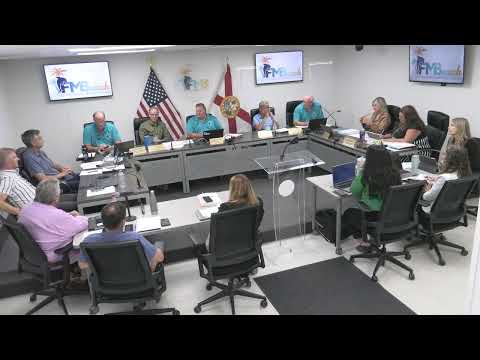
Neighbors and property owners in the Miramar Street neighborhood pressed the town Tuesday over the construction of two new homes they say are being built too close to the street and that site plans used by the builder contained errors.
A Miramar Street resident, speaking as Becky and representing concerned neighbors, laid out a chronology of permit applications, county approvals and town review letters. She told councilors that the lots at 250 and 254 Miramar were historically a single 100-by-100 lot that in 2024 appeared to have been treated as two 50-by-100 lots; neighbors say measurement, setback and compensating-area calculations for parallelogram lots were inconsistent between review comments and the permit that was issued.
Neighbors pointed to early town review letters that flagged needed corrections on setbacks, encroachment calculations and roof coverage, then said they were surprised to discover the county-issued building permits had been posted and work had begun. Residents said drilling and footings were visible in the street right-of-way and that the construction leaves less room for parked vehicles and for emergency vehicles to pass on the narrow street.
Town staff briefed the council: senior planner Jason Smalley explained the “parallelogram lot” provisions in the town’s land development code, including the midpoint/compensation area mechanism that lets a structure encroach into a front or rear setback if offset compensation is provided on the opposite side. Judith Brangelove, community development, said the lots were historically platted as parallelograms in 1925; the county permitted a house to straddle two lots, and the town later received permit applications that triggered multiple review cycles.
On May 10–12 town reviewers issued denial letters asking for corrections to setbacks and impervious/improvement calculations; the town subsequently placed a stop-work order on the project, and staff said the applicant has submitted revised plans that staff expects will resolve the outstanding comments. Brangelove said staff had meetings with neighbors and the applicant and had identified the main outstanding item as the house being over the town’s 40% roof coverage threshold; she said updated submittals appeared close to resolving comments but that an internal review remained to be completed.
Builder and permit representatives were at Tuesday’s meeting and told councilors they were working with staff to submit revised plans. Councilors urged staff to prioritize the review and to communicate status updates to neighbors. The council did not take a formal vote; staff said they would continue the technical review, enforce the stop-work order until outstanding permit issues are resolved, and return to the council if the town’s interpretation of the code needs formal clarification.
Neighbors continued to press for clearer communication and for the town to confirm that site plans as submitted will be built as approved; neighbors asked for an independent technical review if necessary and for stronger follow-up if the town discovers a plan was permitted in error.
The council instructed staff to complete its review of the latest submittal, keep neighbors informed about the schedule and next steps, and confirm whether any code interpretation or ordinance change is needed to avoid similar disputes in future permit reviews.