
Michigan committee hears bill to allow 18‑year‑olds to obtain HAZMAT CDL endorsement
Get AI-powered insights, summaries, and transcripts
Subscribe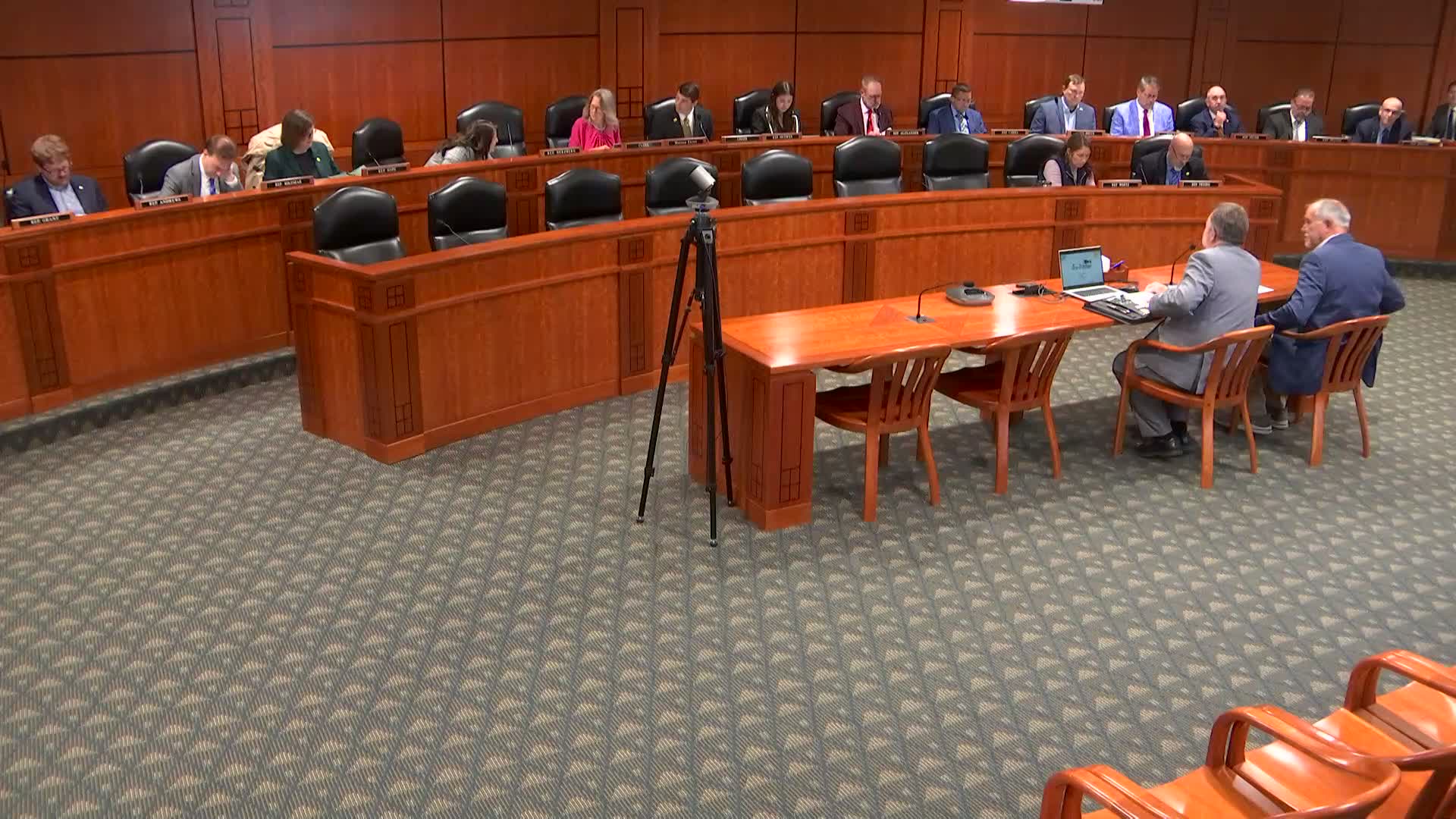
Summary
The House Transportation and Infrastructure Committee on (date not specified) heard testimony on House Bill 4426, a measure that would lower Michigan’s minimum age for a hazardous‑materials endorsement on a commercial driver’s license from 21 to 18.
The House Transportation and Infrastructure Committee on (date not specified) heard testimony on House Bill 4426, a measure that would lower Michigan’s minimum age for a hazardous‑materials endorsement on a commercial driver’s license from 21 to 18.
Representative Burton, sponsor of House Bill 4426, told the committee the proposal would expand the pool of drivers eligible to transport hazardous materials and said it would align Michigan law with federal requirements cited by proponents. Wayne Coley, representing the Michigan Propane Gas Association and Accel Propane Company, testified in support and described the economic and workforce rationale for the change.
Why it matters: supporters said the propane and broader trucking industries face driver shortages and that allowing trained 18‑year‑olds to obtain a HAZMAT endorsement would create career pathways and help maintain deliveries of fuel, chemicals and medical supplies. Coley said the change would let younger workers pursue “well paying, stable careers without requiring a college degree.”
Committee discussion focused on safety requirements, training, background checks and where younger HAZMAT‑endorsed drivers could operate. Coley described the federal and state testing steps he said applicants must pass, including entry‑level driver training that took effect in 2022; Michigan and federal written tests; federal behind‑the‑wheel training; state pre‑trip inspection and state road tests; and separate federal and Michigan HAZMAT tests. He also confirmed that a Transportation Security Administration background check is required for a HAZMAT endorsement.
Lawmakers asked about safety data from other states. Coley told the committee he was not aware of post‑change studies showing safety problems or improvements after other states lowered the age; he did say nine other states currently allow a HAZMAT endorsement at 18 (Indiana, Illinois, Iowa, Kansas, Kentucky, Massachusetts, Minnesota, Vermont and Wyoming). On interstate travel, the testimony indicated younger drivers would generally be limited to intrastate operation unless adjoining states also allow 18‑year‑olds to carry HAZMAT endorsements.
Members who questioned witnesses raised training and on‑road experience requirements, saying written tests alone may not capture real‑world judgment under stress. Coley described state road tests with certified trainers, pre‑trip inspections that can fail on a single critical error, and additional behind‑the‑wheel demonstrations required by federal rules, but said he did not have state‑by‑state outcome data to share.
There was no committee vote on House Bill 4426 during the hearing. Committee members expressed they would continue to review the measure and debate it in future meetings.