
EGLE says beach nourishment ‘right place, right time’ option as coastal planning and shoreline resilience expand
Get AI-powered insights, summaries, and transcripts
Subscribe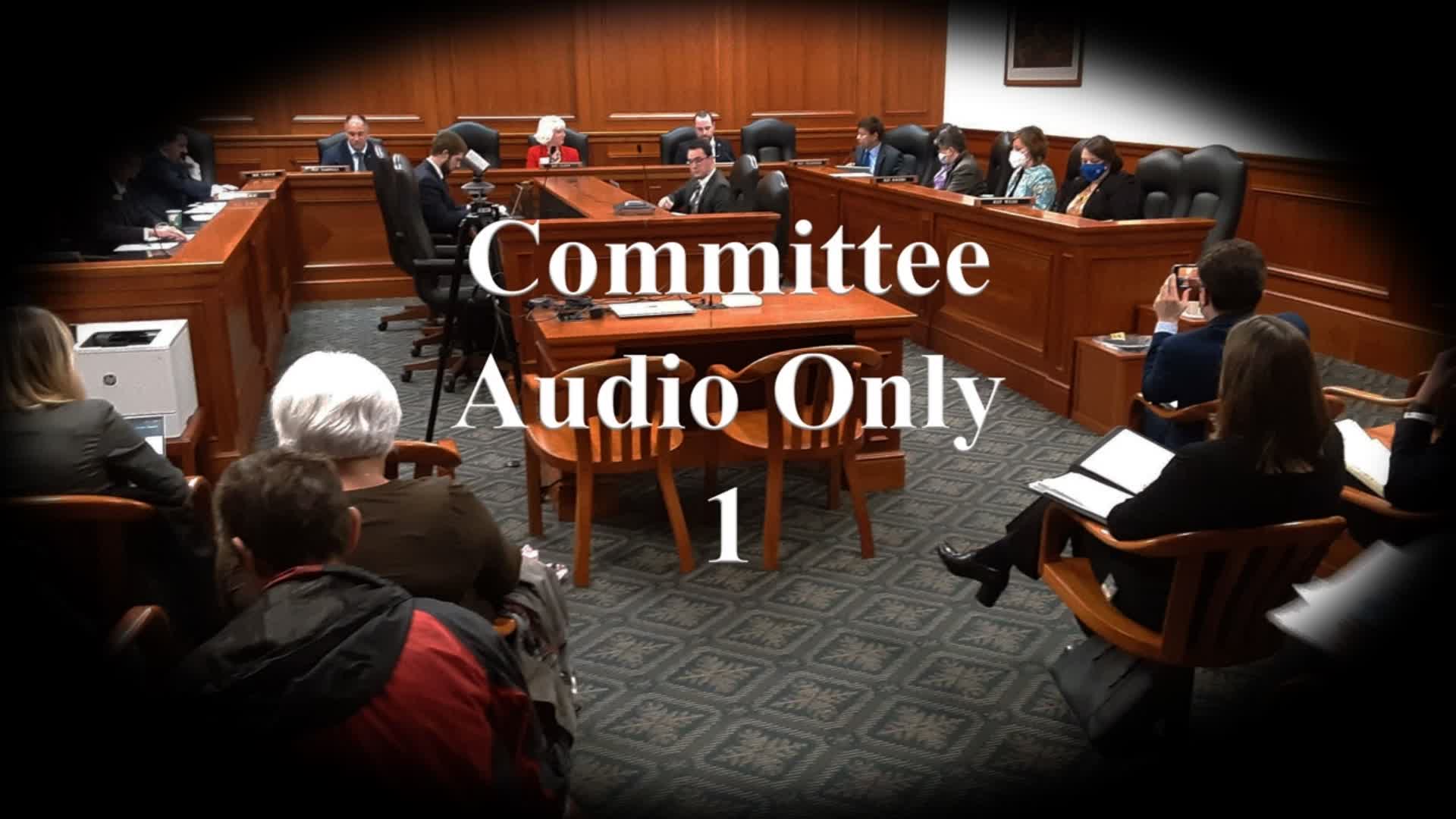
Summary
EGLE officials described coastal management work, shoreline-resilience partnerships and conditional support for beach nourishment during a presentation to a House appropriations subcommittee.
Jared Sanders, director of EGLE's Water Resources Division, told the House Appropriations Subcommittee on the Environment, Great Lakes and Energy that the agency’s coastal programs provide technical planning support and grants to local communities as they adapt to changing Great Lakes water levels.
Sanders said coastal programs work on Great Lakes bottomlands leasing and permitting, coastal zone certifications and grants, and that local planning is increasingly focused on resiliency after recent swings in lake levels. "We've seen record low and record high water levels in our coastal areas," he said, citing about 5½ feet of elevation change between roughly 2013–2014 and 2019–2020 in Lakes Michigan and Huron.
On beach nourishment, Sanders told members the department is not opposed when projects are properly planned and use suitable material. "It's a right-time, right-place thing," he said, adding the division typically handles these projects through its certification process and can permit beach nourishment when material and siting are appropriate. He said one common challenge is core structures that block sand movement in areas such as St. Joseph and New Buffalo.
Sanders highlighted the Michigan Natural Shoreline Partnership as a statewide education and training partner that works with contractors and homeowners on shoreline best practices. He also noted the Great Lakes coastal team provides grants and technical assistance to local communities for planning and resilience measures.
Representative Brett Markkanen praised EGLE's response to a recent intense rainfall event that caused washouts and sewage overflows in a village in Bergen County, saying EGLE staff were "right there on the scene." No formal action on coastal policy or funding occurred at the meeting.