Get Full Government Meeting Transcripts, Videos, & Alerts Forever!
Get email alerts on the Youth Programs topic
No spam. Unsubscribe anytime.
Boston human services highlights youth sports, swim safety and youth development grants in FY26 preview
Summary
City officials told the Ways and Means committee May 19 that the Human Services Cabinet invested in youth sports, free swim lessons and youth development grants as part of FY26 planning.
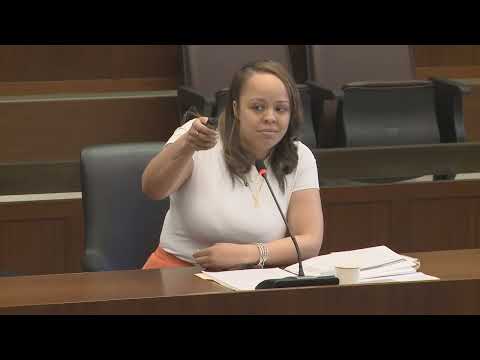
The Boston Human Services Cabinet told the City Council Committee on Ways and Means on May 19 that the administration has continued investments in youth sports, water safety and youth development programs as part of the FY26 budget discussion.
The update mattered because the city framed these investments as preventive public-health and youth-development work that interfaces with multiple city departments and community partners and that rely on near-term budget decisions.
Jose Maso, chief of human services, described the cabinet’s work to meet Mayor Michelle Wu’s “connect, learn and explore” goals, including the Let’s Play Boston youth sports initiative. Maso said the administration invested $300,000 this year across 56 community-based sports programs to expand access and is tracking a goal to raise youth sports participation by about 2 percent per year toward the Healthy People 2030 target of 63 percent participation.
Maso told the committee the city launched a youth sports directory and a youth sports facilities map, and that coach training modules using trauma‑informed approaches have been offered to about 75 coaches with another session planned that month for roughly 50 more coaches. He said the cabinet coordinates BCYF, Boston Public Schools and Parks efforts to open pools and expand swim lessons.
On water safety, Maso said the city provided free beginner swim lessons through BCYF and private partners and that during the past year “we provided free lessons to 6,600 youth through BCYF and our private aquatics partners.” He said last summer BCYF was fully staffed at 87 lifeguards, enabling the department to keep pools open throughout the season.
Maso described the Youth Development Fund (YDF) as a recurring city allocation “that distributes approximately $1,500,000 to nonprofit youth development organizations” and said this year YDF invested in 99 programs and ran an Emerging Organization Learning Community for 20 smaller or newer nonprofits. He said the city is focused on access, trauma‑informed coaching and building partnerships to expand opportunities for girls, youth of color and queer-identifying youth.
Councilors asked about distribution and participation metrics, and Maso and other administration staff acknowledged attendance varies by program; they said youth-facing events and hiring days can draw high turnout, while some workshops (for example, standalone financial‑literacy sessions) have lower attendance unless paired with stronger outreach or required participation tied to services.
No committee action was taken at the hearing; the presentation was part of the FY26 budget review cycle and will inform committee deliberations this spring.