Get Full Government Meeting Transcripts, Videos, & Alerts Forever!
Get email alerts on the Animal Shelter topic
No spam. Unsubscribe anytime.
Parks leaders outline short‑term HVAC repairs at Boston Animal Shelter and longer‑term search for a purpose‑built facility
Summary
Parks officials told the Ways and Means committee they plan an HVAC upgrade at the city’s animal shelter this summer requiring temporary relocation of animals and staff; officials said the HVAC work (6–9 months, roughly) addresses immediate health and safety concerns while the city pursues a longer-term, purpose-built shelter.
City officials said an HVAC project to improve conditions at the Boston Animal Shelter will proceed as a near‑term fix while the city continues to explore siting and capital planning for a purpose‑built animal shelter.
Interim Parks Commissioner Brian Sweatt said the administration plans an HVAC project expected to take six to nine months, depending on phase sequencing, and that work will require temporary housing for animals and relocation of some staff during construction. Department leaders noted the operational challenge: the shelter currently operates in a non‑purpose‑built facility and major mechanical upgrades require temporary alternatives for animal care.
Deputy Commissioner Steve Beckett said the department is exploring temporary “pop‑up” or interim facilities to house animals while HVAC work proceeds and is coordinating with Public Facilities and property management for siting and logistics. Officials emphasized this project is intended to improve animal and staff conditions quickly but does not replace a long‑term plan to design, fund and build a new, purpose‑built shelter — a multi‑year effort that will require site selection, design, capital fundraising and operating decisions.
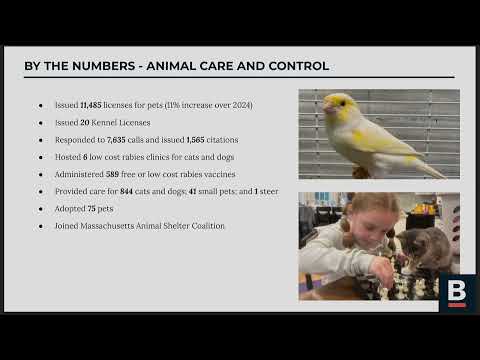
Council members pressed the department on timelines for a new shelter and on short‑term improvements; officials said an HVAC project could be executed this summer, with the timing dependent on procuring temporary housing and finalizing scopes. The department reported shelter activity numbers as context: more than 11,000 pets licensed, roughly 8,000 calls responded to, almost 900 animals cared for and several hundred rabies vaccinations and low‑cost clinics conducted during the prior year. No committee action or funding authorization for a new shelter occurred at the hearing; the HVAC project and shelter planning will require procurement, interagency coordination and potential budget requests.