Citizen Portal

Maricopa County outlines conservative budget process, sets May timeline to set property tax rate

3413387 · May 21, 2025

Get AI-powered insights, summaries, and transcripts

Subscribe
AI-Generated Content: All content on this page was generated by AI to highlight key points from the meeting. For complete details and context, we recommend watching the full video. so we can fix them.

Summary

A county official described Maricopa County’s multi-month budget process, emphasizing conservative revenue estimates, a May tentative budget that sets the property tax rate, and public comment opportunities in May and June ahead of a July 1 fiscal year start.

Maricopa County officials described a multi-step budget process that relies on conservative revenue estimates and sets a May deadline for approving a tentative budget that determines the county’s property tax rate.

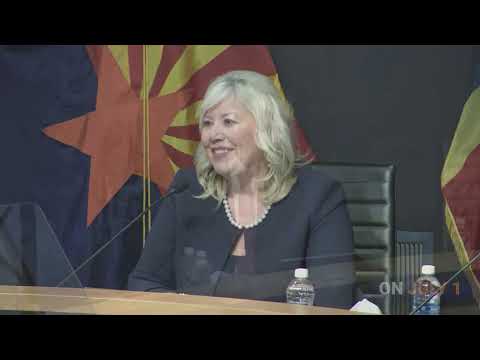
A county official told the meeting that Maricopa County serves about 4.5 million residents and operates with a staff-to-population ratio of roughly 3.08 employees per 1,000 residents, providing services including public safety, public health and election administration. The official said the county has no general obligation debt and uses conservative revenue assumptions so it can meet mandates through economic ups and downs.

The county’s budget calendar, as outlined in the presentation, begins with a December briefing from the Office of Budget and Finance on expected revenues and potential challenges. Departments receive baseline budgets and must justify any requests above baseline. In January, elected officials and appointed departments present budget requests at a public meeting; in February departments submit final requests to the Office of Budget and Finance. By April, budget recommendations are finalized; in May the Board of Supervisors approves a tentative budget that includes the property tax rate; in June the board receives final adjustments and votes to adopt a final budget for the fiscal year that begins July 1.

The presenter said Maricopa County historically receives about 11 cents of every dollar paid in property taxes, with most property-tax dollars going to local school districts. “The board does not control property values, but it does set the rate at which property is taxed,” the presenter said, explaining the board’s role in setting the tax rate.

The official emphasized public participation: members of the public are invited to comment on the tentative budget in May and June, and final budget documents are posted online after adoption. That public-review period precedes the board’s June vote on the final budget.

Separately, another speaker pledged the board’s fiscal approach in a closing remark: “I promise you that this board will continue to honor conservative principles and be a good steward of your tax dollars,” attributed to Speaker 2.

The presentation linked the budget to everyday county services — food inspections, building permits, job training and assistance, senior services, jail operations, criminal prosecution, recreation and libraries — and framed the process as designed to ensure those services can continue at a predictable cost.

Meeting attendees asked no formal motions or votes on the budget during the presentation; the session served as an informational briefing and explanation of the timeline and opportunities for public comment.