Get Full Government Meeting Transcripts, Videos, & Alerts Forever!
Get email alerts on the Budget topic
No spam. Unsubscribe anytime.
Spring-Ford board hears options to close $7.4 million budget gap; Pfizer assessment appeal could add $3M yearly loss
Summary
The district’s finance team presented options to close a roughly $7.4 million budget gap and warned a separate assessment appeal on the former Pfizer campus could further reduce tax revenue by about $3.0–$3.4 million annually.
SPRING-FORD AREA SCHOOL DISTRICT — The district’s finance team on Monday presented three options to close a roughly $7.400.000 budget shortfall for the 2025–26 school year and warned trustees a separate commercial property assessment appeal tied to the former Pfizer campus could reduce tax revenue by about $3.0–$3.4 million annually if a settlement or court decision stands.
The presentation by Mr. Fink, the district finance presenter, laid out a “scenario 1” that would use roughly $1.6–$1.73 million in PDE (Pennsylvania Department of Education) referendum exceptions and about $300,000 from a debt-service drop-off to bring the tax increase to about 5.14% for 2025–26; the administration put that version on the agenda for a vote next week.
Why it matters: the board must adopt a budget by law before the fiscal year begins, and choices this year affect borrowing capacity, the district’s ability to pay for planned capital projects and the size of future budget gaps.
Mr. Fink said, “This is where we are. So it’s not a big difference from where we were in April. We had some add ons and we had some take offs, but they kind of negated each other. So when we look at it, the current total gap is about $7,400,000.” He described how PDE referendum exceptions — an accounting allowance tied largely to special-education cost growth — would cover roughly $1.7 million of that shortfall.
Under scenario 1, the district would use the full referendum exceptions available for 2025–26, take $300,000 from a $5.5 million debt-service drop-off tied to bonds that are maturing, and make up the remainder by adjusting the tax rate. That combination, Fink said, would push a median homestead taxpayer (median assessment about $161,000) to pay roughly $269 more in property tax next year — about $22–$23 a month.
Fink warned trustees that dipping into the debt-service drop-off reduces future borrowing headroom. “If you raid that kitty too hard, it’s going to diminish the amount of money the district can borrow in the future because we won’t have the room in the debt service line in the budget to pay it back,” he said.
Trustees discussed two alternatives. Scenario 2 would not use referendum exceptions and would instead draw about $1.9 million from the debt-service savings in 2025–26; that approach would lower the immediate tax increase to about 4% (roughly $209 per median homeowner) but would substantially reduce borrowing capacity and “burn into” cash reserves in later years, Fink said. Scenario 3 would split the difference, taking roughly half the exceptions and a smaller draw from debt service, producing an estimated 4.57% tax increase and preserving somewhat more borrowing capacity.
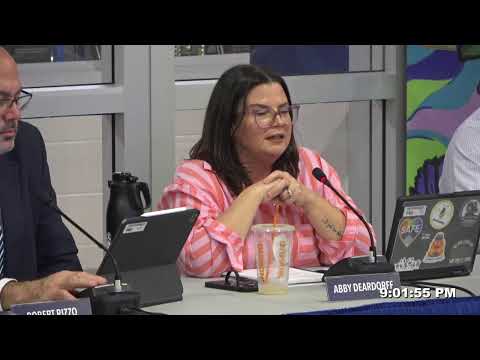
Board member Mrs. Deardorff said, “I don’t think there’s a silver-bullet solution to this,” and urged trustees to weigh short-term fixes against long-term fiscal flexibility.
Commercial assessment appeal: the finance presentation and ensuing discussion identified one external revenue risk that could materially widen the district’s long-term gap. Fink told the board the owner of the large former Pfizer office campus in Collegeville appealed its assessment to the state and then to the Court of Common Pleas; the state appeals board previously lowered the property’s implied market value from about $560 million to $440 million, reducing district revenue by about $1.4 million. The property owner now argues a market value of about $120 million; Fink said a likely settlement or court outcome on the further appeal could cost the district an additional $3.0–$3.4 million annually.
“The taxpayer value of that property, market value of that property is about $120,000,000. That’s what they’re claiming,” Fink said. Board members noted the effect of a sustained commercial-market downturn would be multi-year.
Impacts on capital projects and borrowing: trustees asked whether adopting scenario 1 would allow the district to proceed with the planned grade-shifting and capital projects evaluated by architects. Fink said scenario 1 preserves more borrowing capacity — roughly $40 million under his assumptions — and would better protect the district’s credit position than using larger amounts of one-time reserves.
Several board members urged the administration and trustees to use the coming weeks to develop a longer-term plan that combines revenue, program and operational changes rather than rely on repeated short-term adjustments. Mrs. Westwood, a finance committee board member, said the committee and administration will present further detail to the public and the board in June and July.
Timing and next steps: the board placed a final budget adoption item on the agenda for the May 26 voting meeting that reflects scenario 1 (use of the full referendum exceptions). The board did not vote Monday; trustees said they wanted time to review the presentation and to continue committee-level discussion. The administration noted the legal deadline to adopt a budget remains June 30.
Other finance items noted during committee reports included continued pressure from self-funded health insurance costs, real-estate transfer-tax softness, and an unresolved Rite Aid bankruptcy matter the district is negotiating with solicitors.
The board’s finance committee and administration will continue outreach to the public about the choices and their trade-offs before the formal budget vote next week.