
House approves $140,000 homestead exemption, rejects larger increase after heated debate
Get AI-powered insights, summaries, and transcripts
Subscribe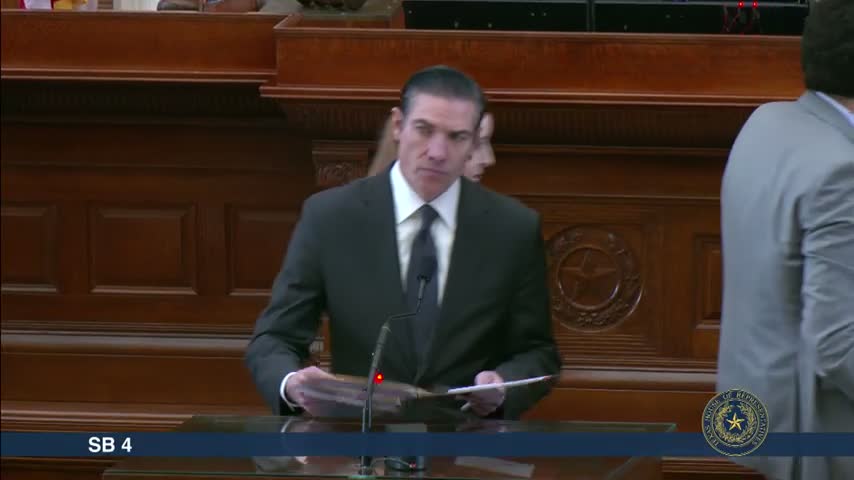
Summary
The Texas House passed Senate Bill 4 and related constitutional measures to raise the school-homestead exemption to $140,000, with votes and amendments drawing floor-wide debate about funding, hold-harmless protections for school districts and possible further increases.
The Texas House on third reading passed Senate Bill 4 and its companion constitutional measures on Tuesday, approving an increase in the residential homestead exemption for school property taxes to $140,000 and advancing related measures giving voters a chance to ratify the change.
The measure aims to deliver statewide property tax relief by raising the exemption that reduces the taxable value of homeowners' primary residences. House Ways and Means Chairman Meyer (chair, House Ways and Means Committee) told colleagues, “This bill does in fact help millions of Texans with their property tax burden,” as he urged passage.
Why it matters: Lawmakers said the package is a core piece of a broader, roughly $10 billion relief plan negotiated this session. Supporters argued it spreads relief broadly to homeowner households; opponents warned the state must hold school districts harmless and noted the bill must be paired with constitutional amendments to be effective.
Most important facts: The House adopted Meyer’s bill package, which includes Senate Bill 4 (increase exemption to $140,000) and the joint resolutions that would place the change before voters. Members debated financing: Representative Olcott argued for a larger increase and cited a state surplus, saying, “We have a $24,000,000,000 surplus,” while Ways and Means Chairman Meyer and other leaders pointed to the negotiated fiscal package and the need to hold school districts harmless. House debate produced a failed amendment to increase the exemption beyond $140,000; the author’s attempt to add $20,000 more to the exemption did not secure enactment.
Supporting details and votes: The House recorded passage of Senate Bill 4; the clerk announced, “There being a 45 ayes, 0 nays, Senate Bill 4 is finally passed.” Members also adopted related constitutional resolutions to place the larger exemption and the elderly/disabled increase on the November ballot. Legislative leaders said roughly $2.7 billion of state funds would be used to offset school-district revenue loss for this provision and that the overall property-tax-relief package across different elements totals about $10 billion this session.
What lawmakers debated: Critics pressed two points repeatedly. First, that raising exemptions alone can prompt local appraisal increases or tax-rate changes that blunt homeowner savings; second, that the Legislature must avoid shifting costs onto school districts or other local taxing units. Several members urged greater specificity in funding and objected to late-session amendment attempts: Representative Olcott’s bid for a larger exemption was tabled after a recorded floor vote.
Where this goes next: The House passed the bills and resolutions necessary to place the question before voters and to implement the higher exemption beginning in the 2025 tax year, subject to voter approval for the constitutional changes. Leaders said they will continue to coordinate hold-harmless mechanics with the comptroller and the Senate as implementing language is finalized.
Ending: Supporters framed the bills as a major, broadly distributed tax cut for homeowners; skeptics urged continued attention to school-district funding impacts and local tax-rate behavior as the package moves toward final enactment and the ballot.