Get Full Government Meeting Transcripts, Videos, & Alerts Forever!
Get email alerts on the E Filing topic
No spam. Unsubscribe anytime.
Clerks of district court report uneven e-filing rollout; urge ongoing involvement in system design
Summary
Wyoming’s elected clerks of district court told the Joint Judiciary Committee that the statewide e-filing rollout has improved convenience for attorneys but still leaves clerks grappling with fee collection, confidential records protection and system integration.
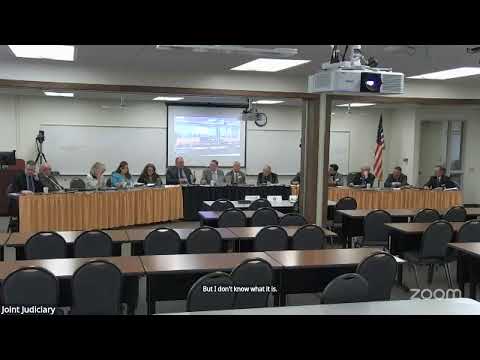
Anne Sutton, president of the Clerk of District Court Association and elected clerk in Teton County, told the committee that the statewide e-filing system has delivered clear convenience gains for attorneys but remains incomplete for clerks and the public.
Sutton said the new system supports attorney filings statewide and is mandatory in most counties for attorneys, though pro se filers still use mail or in-person filing. Attorneys have “bonus access” to records, but clerks continue to work to perfect access controls and fee collection workflows. Some case types remain confidential or contain protected data such as Social Security numbers and psychological records, requiring careful rules and technical safeguards.
Clerks said implementation required considerable training and cleanup, and that offices are still resolving system integration between the case-management system and the e-filing portal. Sutton urged the committee and the Wyoming Judicial Branch to consult clerks as subject-matter experts on access and records-retention decisions and to budget for needed customizations and training.
Sutton said attorneys and clerks are starting to identify enhancements that would improve access and reduce manual work; clerks will produce a prioritized list of needed features after spring meetings. The committee asked clerks to supply a short list of recommended changes and indicated it would invite the Judicial Branch to provide its rollout plan and timeline for public access.