Lifetime Citizen Portal Access — AI Briefings, Alerts & Unlimited Follows
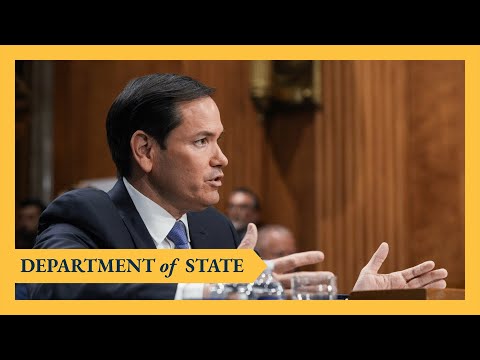
State Department official says reorganization will push decisions to regional bureaus and overhaul foreign aid
Loading...
Summary
A State Department official told a congressional committee the department is reorganizing to give regional bureaus and embassies more authority and is reviewing foreign‑aid programs to increase efficiency and direct more assistance to recipients.
A State Department official told a congressional committee that the department is reorganizing to shift decision‑making and foreign‑aid authority to regional bureaus and overseas embassies and is reviewing aid programs to increase the share of assistance that reaches recipients.
The move, the official said, is intended to make U.S. foreign policy more “holistic” and better tailored to local conditions, with regional bureaus and career diplomats driving priorities for areas such as Guatemala, the Caribbean and the Indo‑Pacific.
“The goal is to drive power and action in our agency to the regional bureaus and to our embassies on everything we do,” the State Department official said. The official said the reorganization will move many functional bureaus and processes under the purview of regional bureaus and career personnel and ultimately to the embassy level.
As an early test of the regional approach, the official said a pilot center called “Shaheen” will focus on Syria; the United States does not have an embassy in Damascus and is operating from Turkey. “We are gonna allow our people on the ground, both our embassy personnel at the Damascus embassy located in Turkey … to work with local officials there to make determinations about what kind of aid they need,” the official said.
The official described a simultaneous review of foreign aid intended to eliminate programs that lack priority and to deliver assistance more efficiently. “At USAID, 12 cents of every dollar was reaching the recipient,” the official said, adding that the department will seek “more efficient ways to deliver aid to people directly” while continuing to provide large amounts of humanitarian support.
“We still will provide more foreign aid, more humanitarian support, than the next 10 countries combined,” the official said, and contrasted U.S. aid with China’s Belt and Road approach: “China doesn't do humanitarian aid. China does predatory lending. That's what [the] Belt and Road Initiative is.”
The official acknowledged the reforms will generate controversy and “hiccups” but said the changes were necessary because the State Department had become “no longer at the center of American foreign policy” in some cases and had become too slow to act. The official cited an internal approval process that required many signoffs on decision memos and said that approach impeded timely action.
On congressional oversight and next steps, the official said the department has taken input through a notice process and will return with a formal congressional notification. “We look forward to engaging with this committee and the appropriators,” the official said.
No formal votes or committee actions were announced during the remarks; the presentation described planned organizational changes, a foreign‑aid review, and planned engagement with Congress rather than final decisions.