
Committee reviews bill to update Texas NIL law; universities seek ability to sign agreements pre‑enrollment
Get AI-powered insights, summaries, and transcripts
Subscribe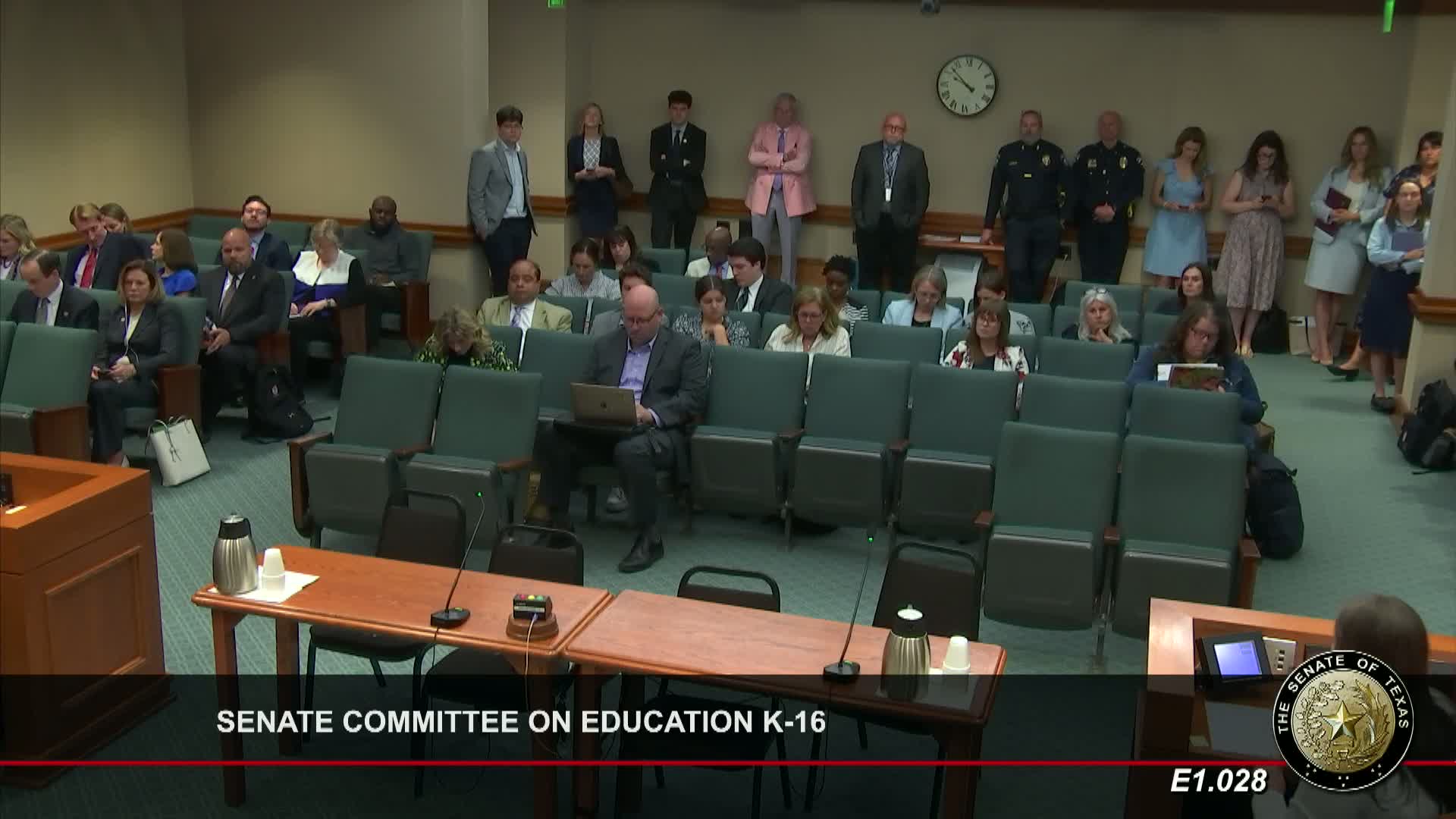
Summary
Senators heard testimony from university general counsels and asked detailed questions about a pending nationwide settlement and its effects. The committee left House Bill 126 pending.
House Bill 126 would change Texas’s name, image and likeness (NIL) statute to allow direct university agreements with student athletes, let institutions negotiate some arrangements before enrollment, and permit compliance with future NCAA or conference rules without violating state law.
Nut graf: University representatives urged the committee to adopt the narrowly framed changes to keep Texas schools competitive if a federal settlement clears courts; senators pressed witnesses on settlement mechanics, notifications to former athletes, and safeguards on pre‑enrollment agreements. The bill was left pending.
Body: Senator Creighton explained that HB 126 updates Texas law in light of a pending settlement in nationwide litigation that would alter how student athletes and universities may enter NIL agreements. The bill’s three principal provisions allow universities to (1) enter direct NIL agreements with enrolled student athletes, (2) remove prohibitions on offering NIL agreements before enrollment while delaying payments until enrollment, and (3) permit institutions and athletes to comply with more permissive NCAA or conference rules should those arise.
Eric Bentley, vice chancellor and general counsel for the Texas Tech University System, and Brooks Moore, deputy general counsel for the A&M System, testified in favor. Bentley said the changes are needed so Texas institutions are not disadvantaged against schools in other states that would be permitted to offer direct compensation under the terms of the pending settlement. Both witnesses described the bill as narrow and intended to preserve financial literacy and life‑skills requirements now in statute.
Senators pressed witnesses about the pending settlement’s back‑pay provisions (a multi‑billion‑dollar component referenced in questioning), the settlement administrator’s notification of eligible former athletes, and how pre‑enrollment agreements would work in practice. University counsel said institutions may notify eligible former athletes and that mechanics to opt into the settlement are being handled through the settlement administrator and class counsel; they reiterated that no payments would be made until the athlete enrolls.
Ending: Committee members discussed timing and potential immediate effect if courts approve the settlement; the bill was left pending so the legislature can consider an immediate‑effect clause if needed once litigation resolves.