Get Full Government Meeting Transcripts, Videos, & Alerts Forever!
Get email alerts on the Public Defense Governance topic
No spam. Unsubscribe anytime.
Senate panel adopts amendments shifting Oregon Public Defense Commission governance, keeps removal-for-cause protections
Summary
The Senate Judiciary Committee adopted A-10 amendments to House Bill 2614A, altering appointment and oversight rules for the Oregon Public Defense Commission (OPDC), moving more of its administrative budget process into executive-branch procedures while preserving 'for cause' removal protections for the executive director and commissioners.
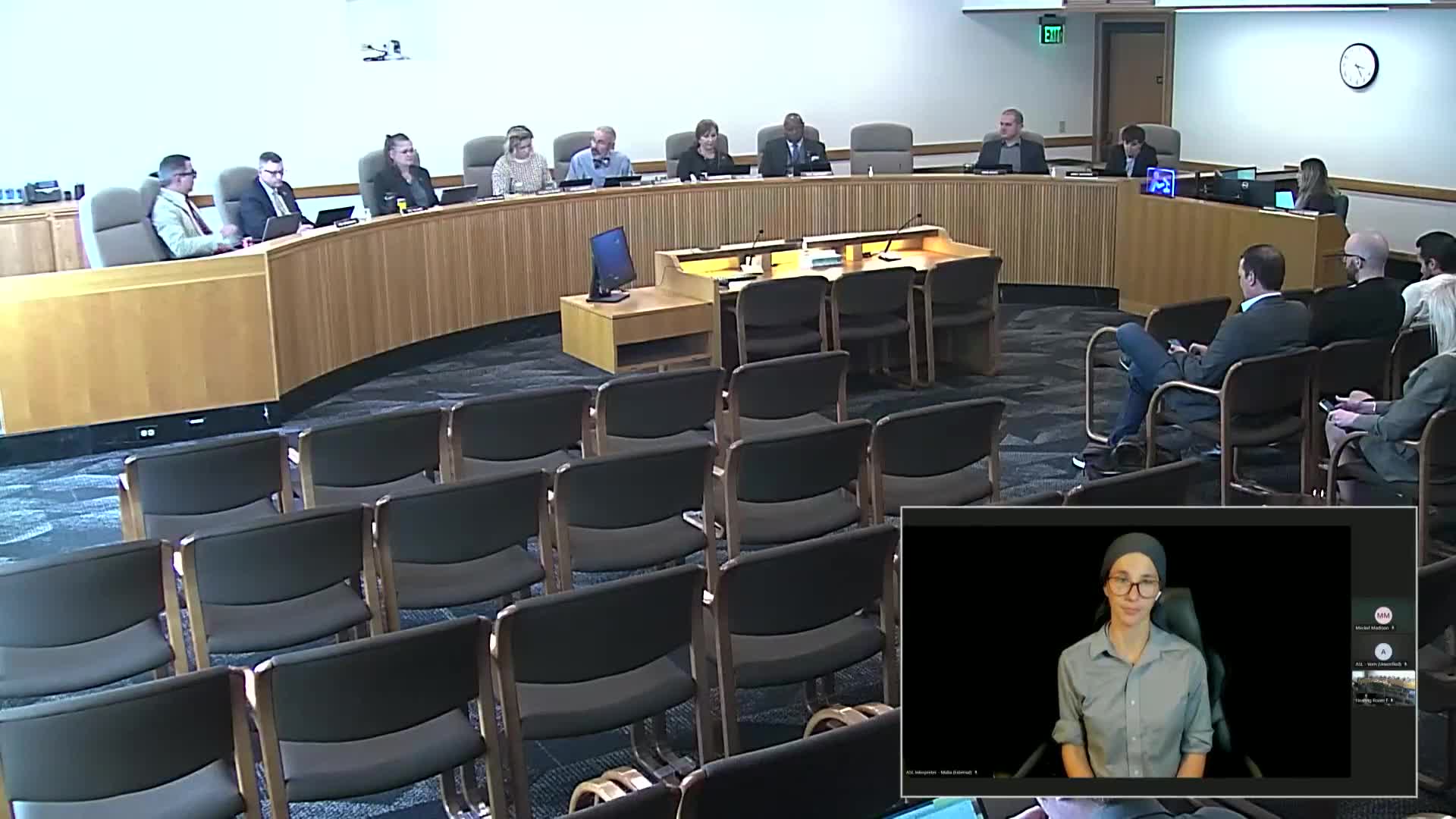
The Senate Committee on Judiciary on Monday adopted A‑10 amendments to House Bill 2614A, a measure that changes governance and oversight of the Oregon Public Defense Commission and moves key administrative functions toward executive-branch processes while retaining protections against at‑will removal.
The amendments passed after extended debate about balancing independence for the commission and executive control over budgeting and appointments. Senator Thacher moved adoption of the A‑10 amendment; the motion carried and the committee then moved the bill to the Senate floor with a due‑pass recommendation.
Committee members raised three main concerns in discussion: whether shifting the budget process into the Executive Branch would filter or dilute the commission’s ability to press the legislature about funding needs; whether appointment and removal rules would protect the executive director from political interference; and whether the commission would retain meaningful policy and oversight roles after the transition.
Jillian, committee counsel, summarized the amendments as changing appointment procedures for the board and executive director, clarifying OPDC’s contracting authority, oversight duties, and minimum standards for appointed attorneys. The A‑10 package also shortens the timeline for the statutory transfer into the executive branch from 2027 to 2026 and includes a just‑cause standard for removal of commissioners and the executive director.
Senators voiced competing views. One senator said the A‑10s “bake in some of the problems that we've encountered in the agency over the last several years,” arguing the governor should have broader authority to appoint an executive director quickly. Other senators, citing the Sixth Amendment Center report and the need to protect independence, supported for‑cause removal protection and the registration and oversight provisions the amendment adds. Senator Thacher made the formal motion: “I move to adopt the dash A‑ten amendment to House Bill 2614A.”
Committee leaders and supporters said the A‑10s are intended as a hybrid approach: keeping the commission’s policy and oversight functions, requiring registration of attorneys who provide public defense services, and giving the governor and the commission defined roles in appointment while adding executive-branch budget review to secure fiscal discipline and longer‑term stability.
The committee recorded an affirmative vote on the amendment and agreed to carry House Bill 2614A, as amended, to the Senate floor with a due‑pass recommendation. The committee chair indicated the chair will carry the bill to the floor.