Get Full Government Meeting Transcripts, Videos, & Alerts Forever!
Get email alerts on the Coastal Resilience topic
No spam. Unsubscribe anytime.
Committee defers Fortify Coastal Homes Fund bill after members raise cost and implementation questions
Summary
Lawmakers voluntarily deferred House Bill 6 63, which would deposit 5% of coastal‑zone sales tax receipts for two months after a named disaster into a fund to subsidize fortified roofs in the coastal zone, capped at $60 million. Members expressed concerns about appropriations timing, the cap size and potential impacts on other budget priorities.
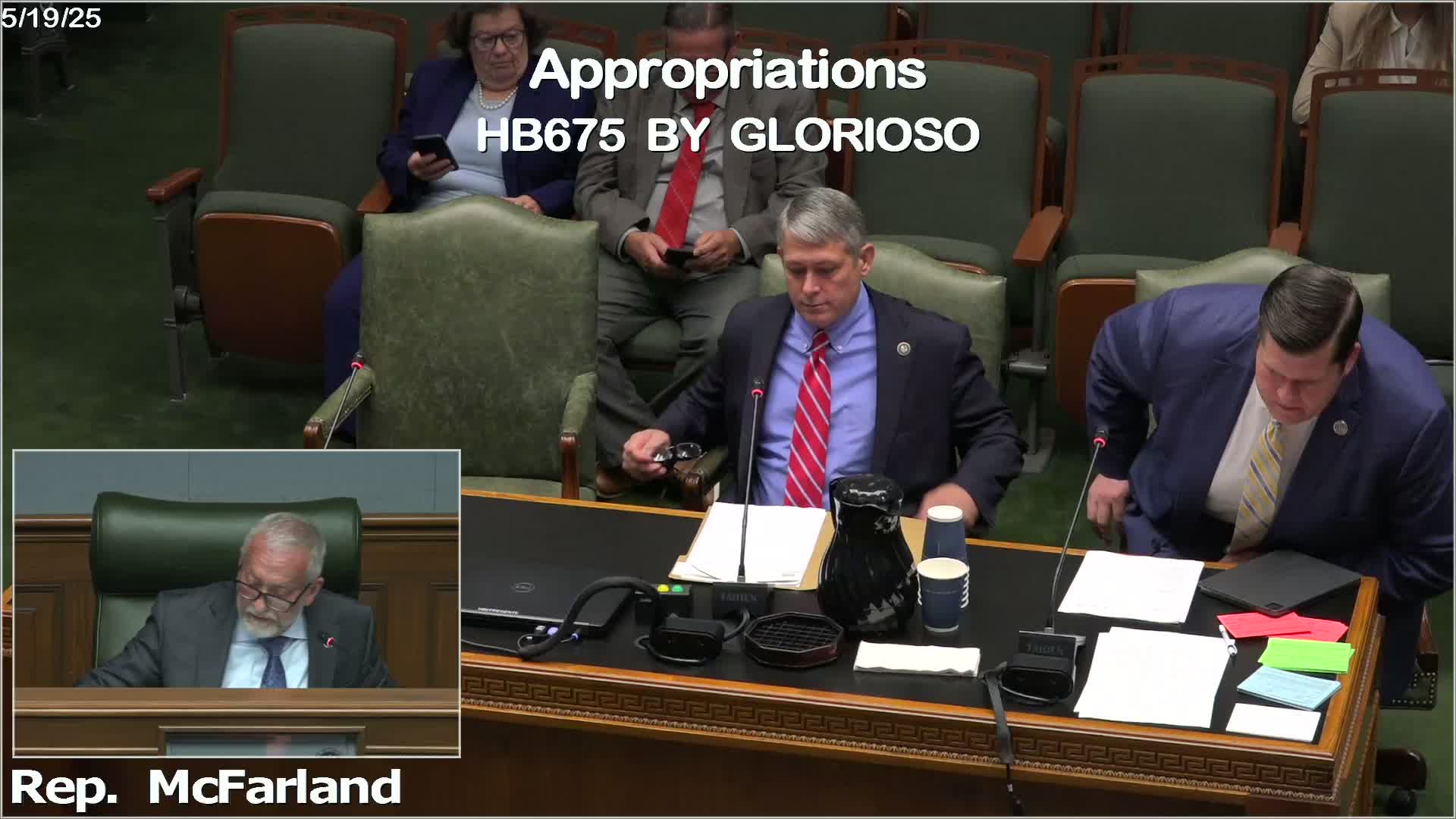
The House Appropriations Committee voluntarily deferred House Bill 6 63 after an extended discussion about whether and how to use a post‑disaster slice of coastal sales tax revenue to fund a Fortify Coastal Homes Fund.
Sponsor Rep. Furman said the bill would establish a special fund to retrofit roofs in the coastal zone and described a mechanism that deposits 5% of sales tax revenue collected in the coastal zone during the two full months after a disaster into the fund, capped at $60 million when the amount exceeds the cap.
Adam Patrick of the Department of Insurance told the committee the program would be administered through the existing Louisiana Fortify Homes program and could be used to pay the delta between a standard insurance payout to replace a roof and the incremental cost of a fortified roof, allowing the state to maximize the number of fortified roofs put in place quickly after a disaster.
But members raised procedural and fiscal concerns. Chair McFarland and others questioned how the state would appropriate revenue that did not yet exist and whether diverting up to $60 million of sales tax in disaster months would leave the general fund or local budgets short. Committee members asked what would happen to maintenance of roads, hospitals or other services if that revenue stream were swept into the fund following a catastrophic storm.
Lawmakers suggested alternatives including using the rainy‑day fund as a bridge so the coastal sales‑tax receipts could be used to replenish reserves later. Several members also asked whether the $60 million cap could be reduced to a lower amount tied to prior experience. Supporters — particularly members from coastal parishes — argued the program would strengthen homes, reduce long‑term insurance claims, and help keep insurers willing to write policies in the region.
After exchanging ideas and potential fixes, the sponsor agreed to work with Appropriations leaders on the mechanics and funding triggers. The committee then voluntarily deferred the bill to allow more work on the appropriation and implementation details.