Get Full Government Meeting Transcripts, Videos, & Alerts Forever!
Get email alerts on the Public Safety Dispatch And Radios topic
No spam. Unsubscribe anytime.
Sheriff warns of congested county radio channel; commissioners ask for dispatch audit and meeting
Summary
Sheriff said county radio traffic has become congested, asked to remove one agency from his channel during peak hours, and commissioners asked for an audit of radio assignments and costs. Volunteers and fire‑department representatives requested county help to pay maintenance fees for portable radios.
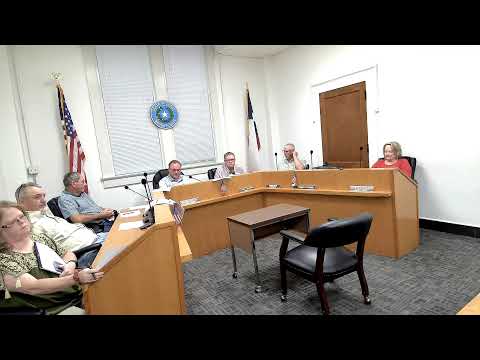
Brown County commissioners heard an extended discussion about county radio and dispatch operations, including channel congestion, cost shares and a requested audit of radio allocations.
The sheriff told commissioners the county’s dispatch channel is overcrowded: “the radio traffic is so congested” during peak hours, he said, with multiple agencies — county patrol, courthouse security, CID, transports, and outside agencies — sharing a single frequency. He said he has warned one agency that he may remove them from the county channel if congestion continues during daytime peak hours.
The sheriff outlined current cost-sharing as discussed at the meeting and said dispatch operating expenses are a percentage of approximately $826,000 in annual operating costs. He described the county’s share as about $206,000, Brownwood’s contribution at roughly $190,000, Early at about $32,000 and Banks at a smaller share; he said 9‑1‑1 costs were roughly $147,000. Those figures were presented in conversation and the commissioners asked for a clearer accounting.
Volunteer fire department and local agency representatives asked the county to pick up maintenance fees for additional portable radios they need. A volunteer speaker said portable radios cost about $2,955 and mobile units about $5,365; maintenance fees discussed were roughly $18–$20 per radio. The volunteer requested approval for nine or ten radios and suggested the county could absorb ongoing maintenance charges while an audit identifies unused radios the county could reallocate.
Commissioners instructed staff to request an audit (the sheriff said he had requested one from LCRA) to identify radios that are not being used and to schedule a dispatch‑committee meeting to address channel allocation and peak‑hour staffing. The sheriff said he may seek a separate console or frequency for the county during peak hours if congestion is not resolved. No final, binding change to dispatch contracts or funding was approved at the meeting; commissioners asked for the audit and for a follow‑up presentation.
The board directed staff to gather detailed accounting on dispatch operating costs and to convene the dispatch committee, with commissioners and chiefs, to explore reallocation of consoles and funding alternatives.