Get Full Government Meeting Transcripts, Videos, & Alerts Forever!
Get email alerts on the Public Safety topic
No spam. Unsubscribe anytime.
Senate approves statewide rules limiting public release of some law‑enforcement personnel file material
Summary
Lawmakers passed a measure standardizing which internal law‑enforcement personnel records are public and which are confidential, while preserving disclosure required in criminal proceedings and certain discovery rules.
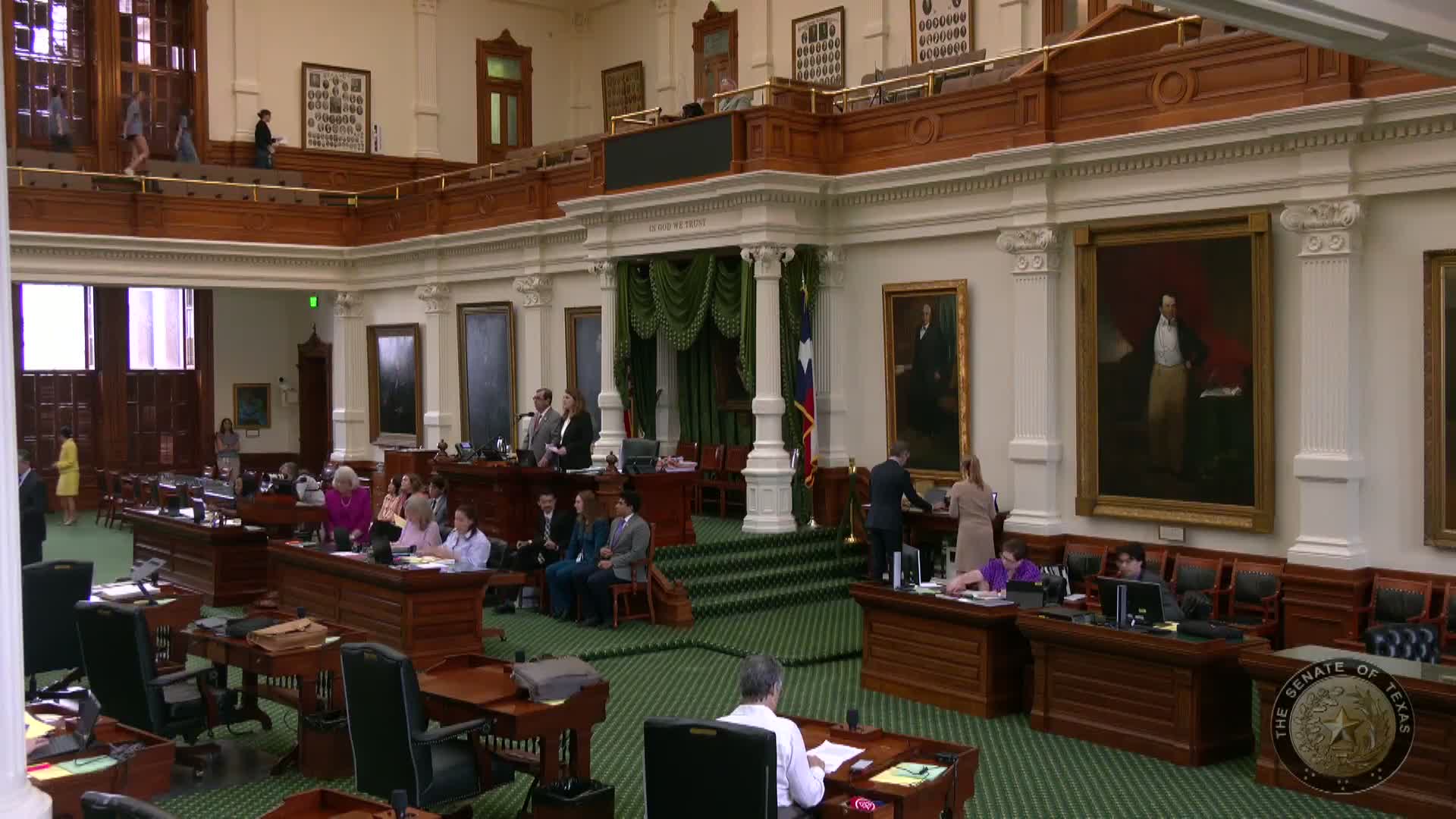
The Texas Senate approved a bill that standardizes how law‑enforcement agencies maintain and disclose internal personnel records, creating a statewide model for what material is public and what may be kept confidential.
Senator Kelly King sponsored the measure and described the bill as a way to codify a department‑file model policy already adopted by many Texas cities. The bill narrows public access to personnel‑file material such as background investigations, home addresses, medical and family information, and training records, while keeping records of sustained misconduct and discipline available to the public.
Floor debate included several senators who pressed for clarity about interaction with collective bargaining (meet‑and‑confer) agreements and existing disclosure statutes. The author offered and the Senate adopted clarifying amendments specifying that the bill does not override disclosures required under the Michael Morton Act or the Sandra Bland Act and that it does not impair existing lawful collective‑bargaining agreements that authorize disclosure.
Supporters said the measure protects investigators’ sources, witnesses and personnel safety; critics raised concerns about transparency, oversight and the ability of journalists or oversight bodies to identify patterns of misconduct. Senators debated whether sealing unsustained allegations could hide patterns of repeated complaints.
The Senate passed the committee substitute for SB 781 on final passage by a recorded vote of 21 ayes to 10 nays. The bill will be returned to the House (if it had originated there) or sent to conference as part of the normal legislative flow for enrollment.