Get AI Briefings, Transcripts & Alerts on Local & National Government Meetings — Forever.
Local government committee stalls bill to let developers use third‑party plan reviewers after stakeholders raise liability and oversight concerns
Loading...
Summary
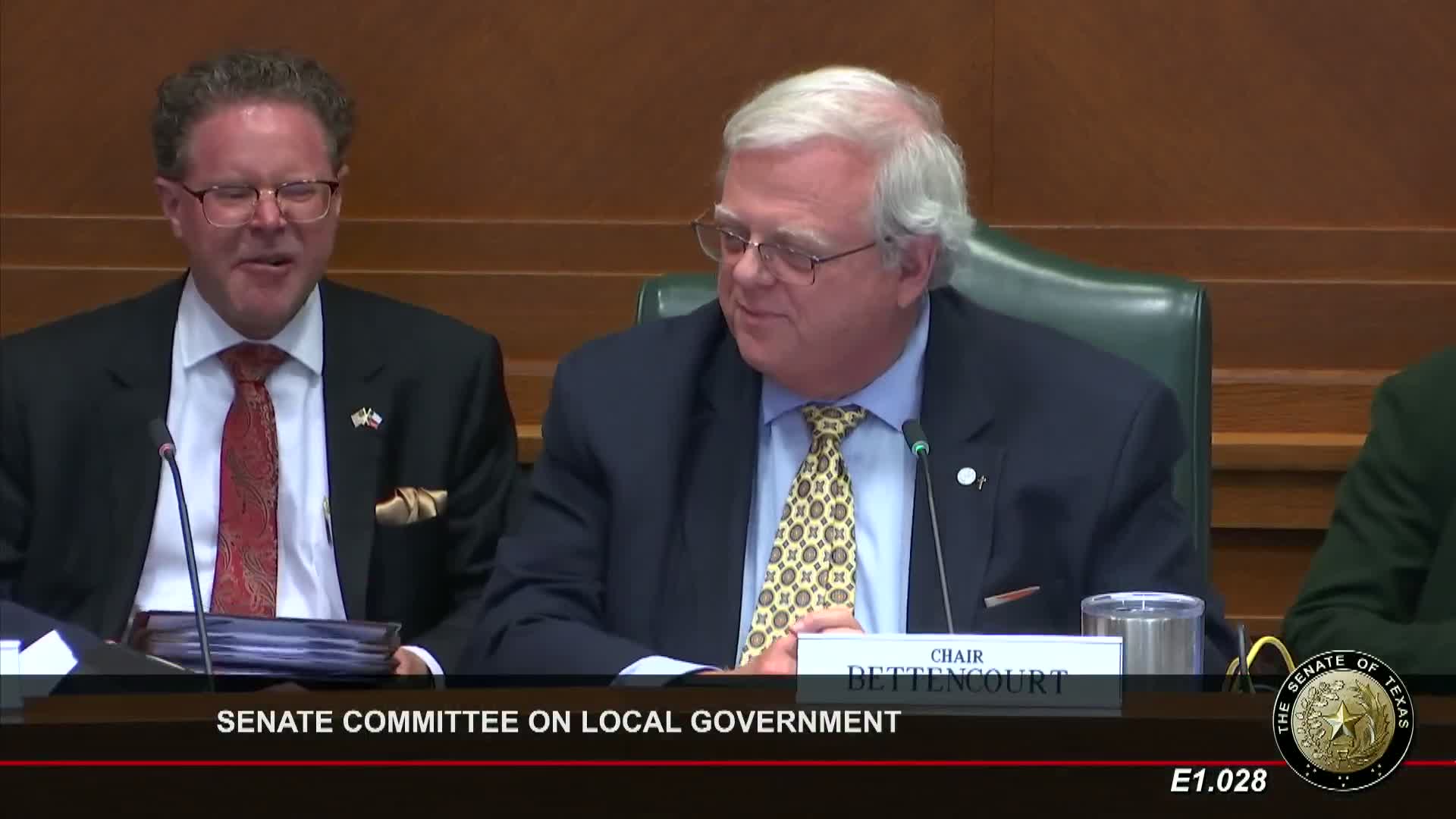
The Senate Committee on Local Government heard extensive testimony on House Bill 23, a measure that would allow developers to engage certified third‑party reviewers and inspectors for plan review and building inspections.
The Senate Committee on Local Government heard extensive testimony on House Bill 23, a measure that would allow developers to engage certified third‑party reviewers and inspectors for plan review and building inspections.
Proponents say the change is intended to speed permitting and reduce delays that increase carrying costs for development. Opponents — including multiple cities, counties, building officials, and some developers — said language added on the House floor created significant new risks around rescission, licensing penalties, and unclear liability.
Judge Shepherd, policy analyst (testifying for himself), said the bill’s “overly harsh penalties” for third‑party reviewers could result when a reviewer “risks losing licenses for minor or subjective errors” and urged changes. Charlie Coleman, division president for Lennar in Texas, told the committee the bill as amended could let local governments rescind approved development documents “even after construction is complete,” and said that fix should require rescission occur before “substantial construction begins.”
Jonathan Killebrew, a third‑party inspector who testified for builders, said he supported the original bill but could not support the version amended on the House floor: “This is a bill that can be fixed,” he told the committee, but the current language, he said, was “unsustainable.”
Cities and counties described specific local concerns. Willie Franklin, assistant director for the city of Dallas, said the city saw plan‑review mistakes when it used third‑party reviewers and urged the city retain the ability to oversee zoning and plan‑review work: “Removing the city … the opportunity to oversee that process and make sure we are zoning in on those plan reviews, the city loses that respect.” Mina Iskander, Dallas building official, added that third‑party reviewers “may not have familiarity with local ordinances, zoning overlays, historic districts, conservation districts, drainage requirements or specific development agreements,” and that binding approvals by an unfamiliar reviewer could expose the public to hazards such as flooding and fire.
Supporters including the Real Estate Council of Austin said they back the bill’s purpose but want technical fixes — for example to include architects in the pool of qualified reviewers and to clarify professional licensing and scope of practice questions. Peyton McKnight of the American Council of Engineering Companies of Texas urged that professional liability be tied to negligence language so coverage remains insurable.
Committee members heard a long list of potential amendments from counties and cities: require reviewers to attest they understand local rules, limit liability to negligence, narrow the window when rescission is allowed so rescission cannot occur after substantial construction, and require notice to local authorities when a third‑party reviewer approves a permit.
The committee did not vote on the bill and left House Bill 23 pending for further work and amendments.