Citizen Portal
Sign In

HEB ISD trustees discuss voter‑approval tax‑rate election as state funding shortfall looms

Loading...

AI-Generated Content: All content on this page was generated by AI to highlight key points from the meeting. For complete details and context, we recommend watching the full video. so we can fix them.

Summary

Trustees reviewed the mechanics, deadlines and possible local impacts of a voter‑approval tax‑rate election after presenters said state funding proposals leave the district facing a multi‑million dollar shortfall unless voters approve new local revenue.

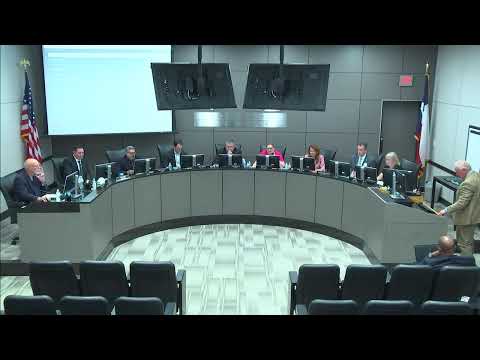
The Hurst‑Euless‑Bedford Independent School District board of trustees debated whether to pursue a voter‑approval tax‑rate election to raise local revenue after trustees and staff described a potential budget gap tied to the ongoing Texas legislative session.

District staff warned the board that current Senate proposals do not provide funding sufficient to cover rising costs and that, without new revenue, the district may need to draw down roughly $26 million from reserve funds to balance next year’s budget. “House Bill 2 would have cut that pretty much almost in half,” a staff member said, referring to competing legislative plans. The same presenter said the senate substitute does not include funding for district benefit increases associated with proposed teacher raises.

Board members were briefed on how a voter‑approval tax‑rate election (often called a Voter Approval Tax Rate or VATR) works: the district must call the election at least 78 days before a November election; an efficiency audit, selected and completed under Legislative Budget Board rules, must be posted and presented to the public; and the board must adopt its budget and tax rate earlier in August to meet the calling deadline. The presenter said the district’s typical practice of adopting a budget later in the summer would need to be accelerated if trustees choose to pursue an election.

Trustees discussed timing and strategy. One trustee noted a local tax appraisal board had frozen values until 2027, which could “make the timing gentler for taxpayers” if the district asked for additional pennies while property values remain flat. Several trustees said conversations with neighboring districts show many are considering similar elections in November.

Board members and staff emphasized the requirement for an efficiency audit under the law. The auditor must be selected by early July for a September delivery of the completed audit and an October posting, with a public meeting to review the audit before the election.

Trustees discussed possible uses of new revenue that would be presented to voters if they call an election, including “increasing staff compensation to retain and attract the best employees,” maintaining academic and extracurricular programs, safety and security improvements, and covering ongoing operations. The presenter and trustees said they would prepare a public‑facing plan that explains how additional funds would be spent if approved.

No final decision was made at the meeting. Several trustees said staff should begin the preparatory steps (selecting an auditor and accelerating timeline options) so the board could decide whether to call an election later this summer, if legislative outcomes do not materially change.

The board’s discussion also noted state actions that could affect local tax calculations in November (possible constitutional amendments and homestead exemption changes) and that any final voter question and communication plan would need to be “transparent” and clearly justify the district’s request to taxpayers.