Get Full Government Meeting Transcripts, Videos, & Alerts Forever!
Get email alerts on the Tobacco Regulation topic
No spam. Unsubscribe anytime.
Council pauses moratorium after health director says new 2-mile zoning rule already bars new smoke shops
Summary
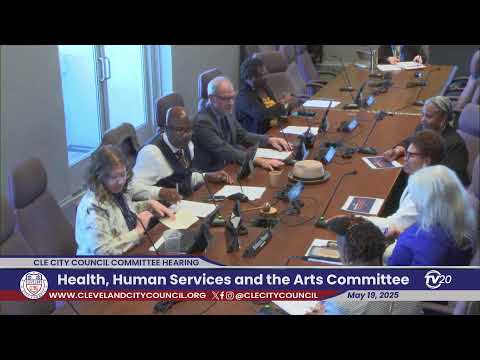
Cleveland City Council members moved to hold Ordinance 5042025, a proposed emergency moratorium on new smoke-shop occupancy permits and tobacco retail licenses, after the city health director said newly adopted zoning restrictions'including a two-mile radius rule'already bar new smoke shops.
Cleveland City Council members moved to hold Ordinance 5042025, a proposed emergency moratorium on new smoke-shop certificates of occupancy and tobacco retail licenses, after the city health director told the panel that newly adopted zoning restrictions — including a two-mile radius rule — already prevent approval of new smoke-shop occupancy permits.
Supporters of the moratorium said the ordinance was designed to close a potential enforcement gap until the city's tobacco retail sales licensing takes full effect 180 days after passage (the administration cited an October 27 effective date), giving public-health and building inspectors full licensing and enforcement tools.
Health director (unnamed) told the council: “I think the moratorium is is no longer necessary as a piece of legislation.” The director said the two-mile zoning restriction means many new occupancy permits for smoke shops are being denied now, and that building and housing has assigned Inspector Drazen to perform full-time inspections of smoke shops to confirm permitted uses and close operations that lack required occupancy permits.
Council supporters said the moratorium's value would be to prevent any new retail tobacco licenses or occupancy approvals from taking effect before the city's tobacco retail licensing program is operational. Council members noted the moratorium had been prepared at the request of multiple council offices as a contingency in case administrative steps delayed the tobacco licensing rollout.
City staff told the council the local legislative package on tobacco licensing was signed into law April 16. The director also said the state has undertaken enforcement actions at several smoke shops and that a state senate measure to outlaw delta-8 and similar THC derivatives outside licensed cannabis dispensaries had passed the senate and was awaiting house committee action; staff said that state action could remove a major retail line of business for many smoke shops.
City staff estimated there are roughly 100 smoke shops with correct occupancy permits and said the total number of establishments operating as smoke shops could be between 200 and 300; the director said the administration will compile a formal registry over the summer and continue enforcement of certificate-of-occupancy requirements.
Council members raised a practical objection: without the moratorium, applicants for occupancy permits are being denied now under the new zoning rule and can pursue appeals to the Board of Zoning Appeals. Staff warned the moratorium could delay those appeal processes, because an appealed application could be left in the pipeline and not finally decided until the moratorium expired, potentially creating a temporary enforcement loophole. The administration described that as an unintended consequence.
After extended discussion of those trade-offs, a council member moved to hold Ordinance 5042025 for further notice. The item was held; no formal roll-call vote on the moratorium was recorded in the discussion excerpt.
What happens next: building and housing will continue inspections and enforcement; inspector Drazen was identified as the point person for assembling a registry of smoke shops and coordinating compliance checks. Staff said the tobacco retail licensing program and related enforcement tools will be active once the administrative systems are in place later this year.