
House approves Medicaid coverage for multisystemic therapy after supporters call it an ‘off ramp’ for juveniles
Get AI-powered insights, summaries, and transcripts
Subscribe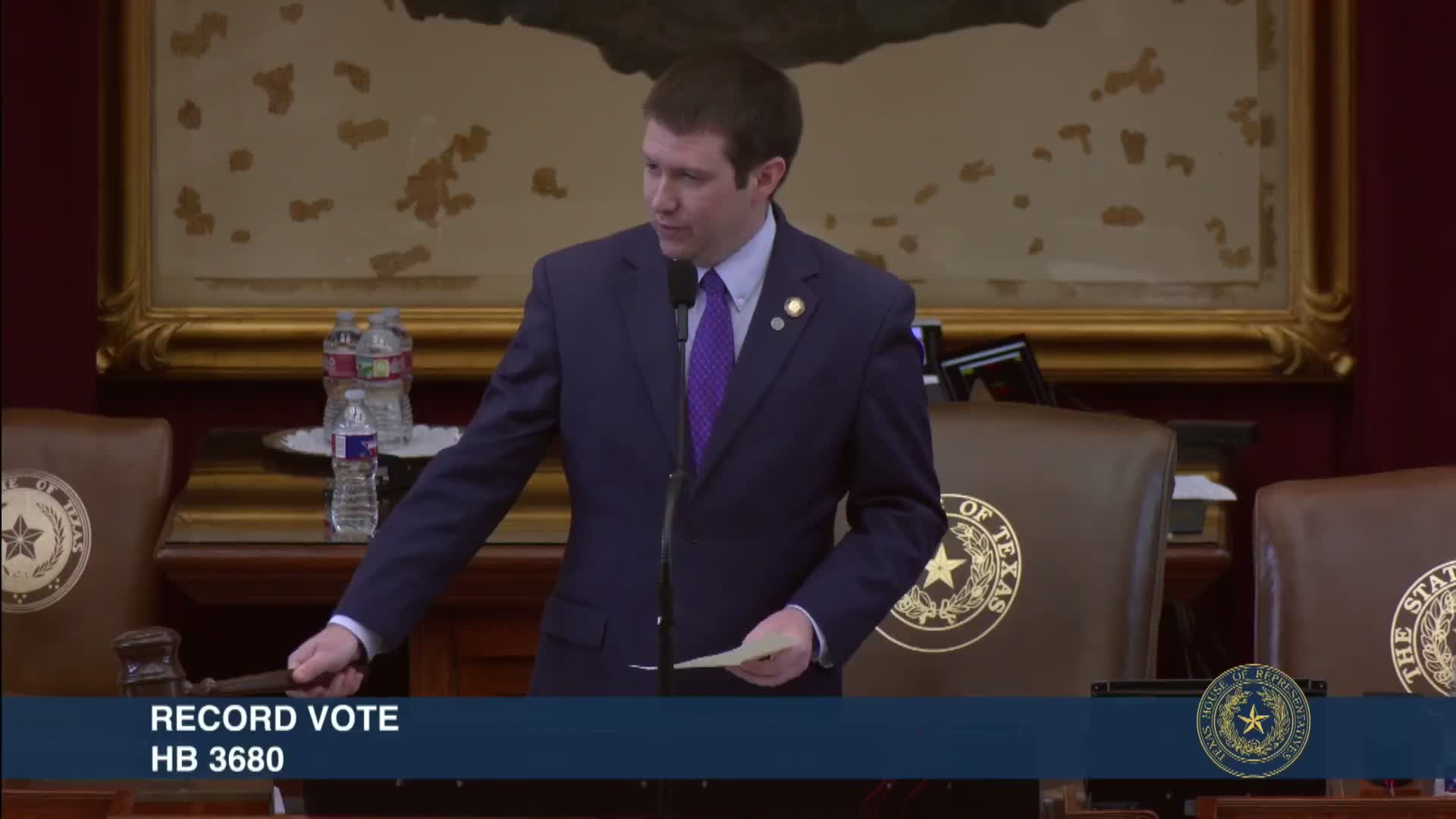
Summary
House passed HB 475 to authorize Medicaid coverage and reimbursement for multisystemic therapy (MST) services; backers said MST provides a family-based, short-term intervention that reduces juvenile recidivism and connects families to treatment and supports.
The House voted to expand Medicaid coverage for multisystemic therapy services, a family-based treatment often used with high-risk youth, saying the program offers a short-term, intensive intervention that can keep children out of juvenile detention.
Representative Johnson, the bill sponsor, said the measure would allow children on Medicaid access to MST services statewide: "All this does is say that kids that are currently get Medicaid get an option to have this available to them statewide." (Representative Johnson)
Representative Phelan, speaking at length in support, described MST as an "off ramp" from the juvenile system: "This is the off ramp that we all talk about...This therapy is how children get out of the system. This is the off ramp we talk about. Republicans, you talk about keeping the family unit together. That's what this program does." He described MST as a 3-to-5-month, family-centered therapy that brings therapists into the home and coordinates with teachers and community providers to change child behavior and reduce recidivism.
Why it matters: Supporters said MST is short-term, family-focused and cost-effective compared with long-term placement in juvenile facilities. Lawmakers who spoke in favor highlighted the program's potential to reduce future prison commitments, improve educational outcomes and lower long-term public costs.
Decision: The House recorded final passage; the clerk announced the result, and the bill advanced. The transcript shows the tally announced after the vote: "There being 99 ayes, 23 nays, House Bill 4 75 finally passes." (Clerk)
Implementation notes: Sponsors and supporters said Medicaid coverage and reimbursement would expand access for the target population — children and families on Medicaid who meet clinical criteria for MST — and would require administrative work by HHSC and Medicaid to set billing and program rules.
Ending: Proponents described MST as an evidence-based, high-impact intervention that connects families, schools and community providers; the bill passed with a recorded vote and will proceed to the next steps for implementation under state Medicaid rules.