
Senate Finance Committee adopts CS for HB123 to align vehicle-rental taxes
Get AI-powered insights, summaries, and transcripts
Subscribe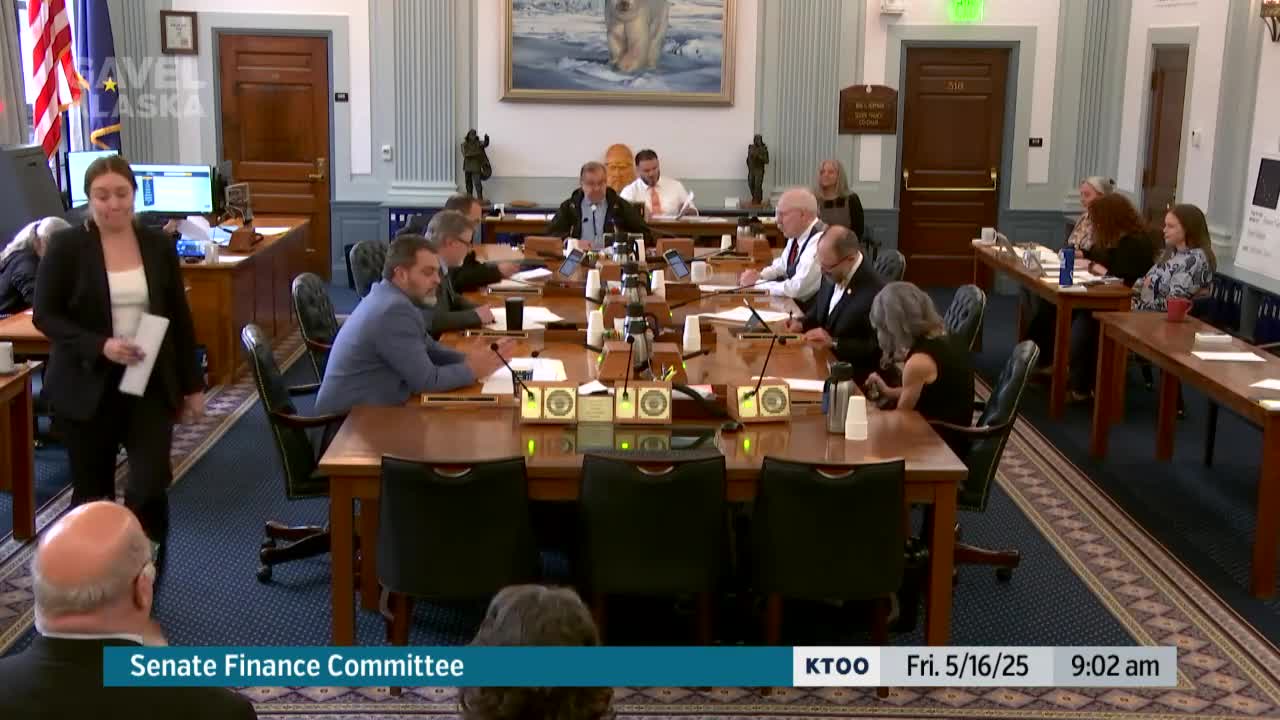
Summary
The Senate Finance Committee adopted a committee substitute for House Bill 123 to standardize tax treatment of traditional car rentals and peer-to-peer rental platforms, set a temporary lower rate that sunsets to 9% after three years, and moved the bill to the rules committee with no objections.
The Senate Finance Committee voted to adopt a committee substitute for House Bill 123 on May 16, standardizing the tax rate applied to traditional vehicle rental companies and peer-to-peer platforms and moving the bill to the rules committee for further consideration.
The committee substitute (CS) lowers a temporary rate for platform-based vehicle rentals and then sunsets that lower rate after three years to equalize treatment at 9%, shifts collection responsibility to the rental platforms, and includes an immediate effective date that prevents the Department of Revenue from charging back taxes for platform use prior to the law taking effect. The CS was adopted by voice consent with no objections and was forwarded to the rules committee.
For the record, Liz Hartold, staff to Senator Olson and the Senate Finance Committee, told the committee that the CS resolves differences between the House and Senate versions on rate and treatment. "The CS before you...adds a new section that will sunset that 7% tax rate in 3 years to 9% so that both legacy rentals and rentals that occur over vehicle rental platforms will be taxed at 9%," Hartold said. She also said the CS "establishes an immediate effective date for the section, stating that the Department of Revenue will not be charging back tax or going after people that were using these vehicle rental platforms prior to the implementation of this bill."
Representative Kevin McCabe, prime sponsor of HB 123, described the substitute as a negotiated compromise. "It lowers the tax rate for both traditional rentals and peer to peer platforms like Turo, levels the playing field for Alaskan entrepreneurs and shifts tax collection responsibility to the platform where it belongs," McCabe said. He added that HB 123 "also protects Alaskans from back taxes, supports small business, and closes enforcement gaps, bringing in steady revenue without raising taxes."
Senator Keogh reviewed the fiscal note from the Department of Revenue Tax Division (OMB component 2,476), which the committee recorded as showing no additional agency costs and an indeterminate revenue impact. After Senator Stedman moved that the committee send the CS out of committee with attached fiscal notes and recommendations, there were no objections and the measure was placed on the next committee referral list (rules committee).
The committee heard SB 138, the Senate companion, at a prior meeting on May 2; the CS incorporates elements of both chambers’ bills. Next steps are committee consideration in rules and any subsequent referrals required before the bill could reach the Senate floor.