Get Full Government Meeting Transcripts, Videos, & Alerts Forever!
Baltimore leaders scramble to fill summer youth funding gap as agencies roll out safety, jobs and program plans
Summary
City agencies, nonprofits and parents at a June hearing described a shortfall in summer youth programming seats and funding even as officials outlined a multi‑agency engagement, safety and jobs plan that aims to employ 8,500 youth and expand outreach.
Baltimore City officials, nonprofit leaders and parents said Wednesday that the city faces a tangible gap in summer youth programming even as agencies described a coordinated plan of events, outreach and paid employment for young people.
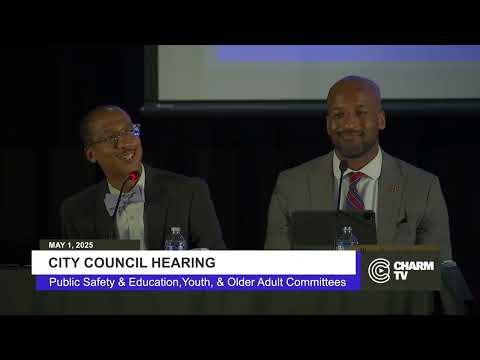
At a joint hearing of the City Council’s Education, Youth & Older Adults and Public Safety committees at Edmondson Westside High School, city staff described a three‑part summer strategy—engagement, outreach and enforcement—while funders and providers urged the council to close remaining funding shortfalls so programs can run at planned scale.
The gap is primarily financial and seats: Baltimore Children & Youth Fund (BCYF) leaders said during the hearing that BCYF is making a $9.5 million emergency investment for summer programming, including $4.9 million for YouthWorks and $2.9 million for the Summer Funding Collaborative. Mayor’s office and employment officials said the city expects to offer 8,500 YouthWorks jobs this summer, down from roughly 9,000 slots offered in 2024. Baltimore City Public Schools told the committee it will provide about 12,000 summer seats this year after offering about 20,000 in 2024.
“‘This summer we will have the opportunity to be one of the smartest cities in the country when it comes to understanding the impact of summer investment,’” said Julia Baez, chief executive officer of Baltimore’s Promise, referring to a new youth data hub the nonprofit helped develop. Baez and others urged the council to treat the shortfall as an urgent problem that will fall hardest on historically underserved neighborhoods and older teens who rely…
Already have an account? Log in
Subscribe to keep reading
Unlock the rest of this article — and every article on Citizen Portal.
- Unlimited articles
- AI-powered breakdowns of topics, speakers, decisions, and budgets
- Instant alerts when your location has a new meeting
- Follow topics and more locations
- 1,000 AI Insights / month, plus AI Chat