Get Full Government Meeting Transcripts, Videos, & Alerts Forever!
Get email alerts on the K 12 Education Ela topic
No spam. Unsubscribe anytime.
Monongalia County Schools lauds research-backed reading, expands AP and dual-enrollment ELA options
Summary
District officials described two years of implementing science-of-reading practices at the elementary level, early positive signs in outcomes, a county rollout next year of Horizon benchmark testing designed to mirror PSAT/SAT, and expanded AP and dual-enrollment pathways including AP Capstone and a new WVU partnership.
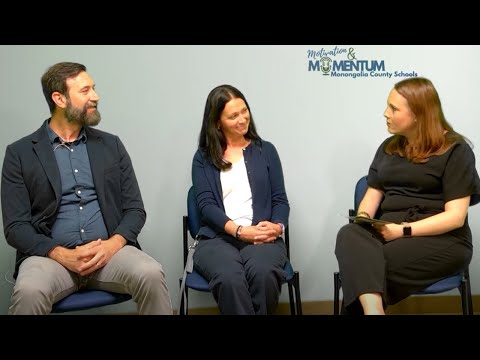
Amber Nichols, host of the Monongalia County Schools podcast Motivation and Momentum, spoke with district instructional leaders about English language arts programs and next-year plans, including a countywide benchmark change and expanded college-credit opportunities.
Kevin Kalistra, instructional support leader for Monongalia County Schools, said the district is increasing opportunities for rigorous coursework at the high school level and preparing students for college testing. “We have hundreds of students between AP language and composition and AP literature and composition taking their exams this week,” Kalistra said, adding that the district will “partner with WVU, which is really exciting for us” to expand dual-enrollment sections next year.
Amy Hankins, elementary compliance specialist for Monongalia County Schools, described two years of implementing research-based practices from the West Virginia Department of Education related to the science of reading and said the district is beginning to see results. “We are,” Hankins said when asked whether there is data showing the practices are working. She also emphasized classroom strategies for fostering literacy, saying, “Read aloud is just a way for the teacher or anybody to show that they're passionate about something, and it doesn't even have to be a book. It can be a newspaper article. It could be the title of something.”
Why it matters: district leaders said the moves aim to raise student engagement and college readiness. Kalistra said the county’s new benchmark tool, Horizon, was selected because it “mimics the SAT exam and the PSAT,” which the district intends to use to better track student progress toward college-readiness scores and scholarship eligibility such as the state Promise Scholarship.
Key details from the discussion: - Elementary: officials said the district has spent two years training teachers on science-of-reading, with academic coaches delivering state guidance to classrooms. Hankins described the shift as substantial but embraced by teachers and said the district is “a leader in the state” on the rollout. - Secondary: district staff highlighted growth in AP participation and a plan to make AP Capstone (research-focused coursework) available beginning in tenth grade so students can earn college-level experience earlier. - Assessment: Kalistra said the county has struggled to find effective benchmark testing and selected Horizon to roll out next year to provide SAT-aligned data for formative adjustments and scholarship tracking. - Partnerships: the district reported a formalizing of additional dual-enrollment sections through a partnership with West Virginia University beginning next school year.
Discussion vs. formal action: the episode recorded staff descriptions of program rollouts and next steps; no formal board motions or votes were presented during the podcast. The rollout of Horizon and the WVU partnership were described as planned district actions rather than decisions recorded in minutes or by vote.
Context and next steps: district leaders said teachers and instructional coaches will continue learning walks, peer observation, and formative-assessment work to translate district-level guidance into classroom practice. Officials indicated the Horizon benchmark and the expanded dual-enrollment/AP offerings will be implemented in the 2025–26 school year and monitored by county curriculum staff.
The conversation closed with leaders urging continued focus on read-aloud practices and collaborative classroom discussion as central elements of quality ELA instruction.