Get Full Government Meeting Transcripts, Videos, & Alerts Forever!
Get email alerts on the Public Safety topic
No spam. Unsubscribe anytime.
Police present 2026 budget proposal citing staffing shortages, training and long‑term technology contracts
Summary
Police department presented its 2026 proposed budget, outlining organizational restructuring, recruitment challenges (six sworn vacancies and 10 inactive officers), technology and equipment contracts including a proposed 10‑year Axon contract, and plans for a police foundation to accept donations.
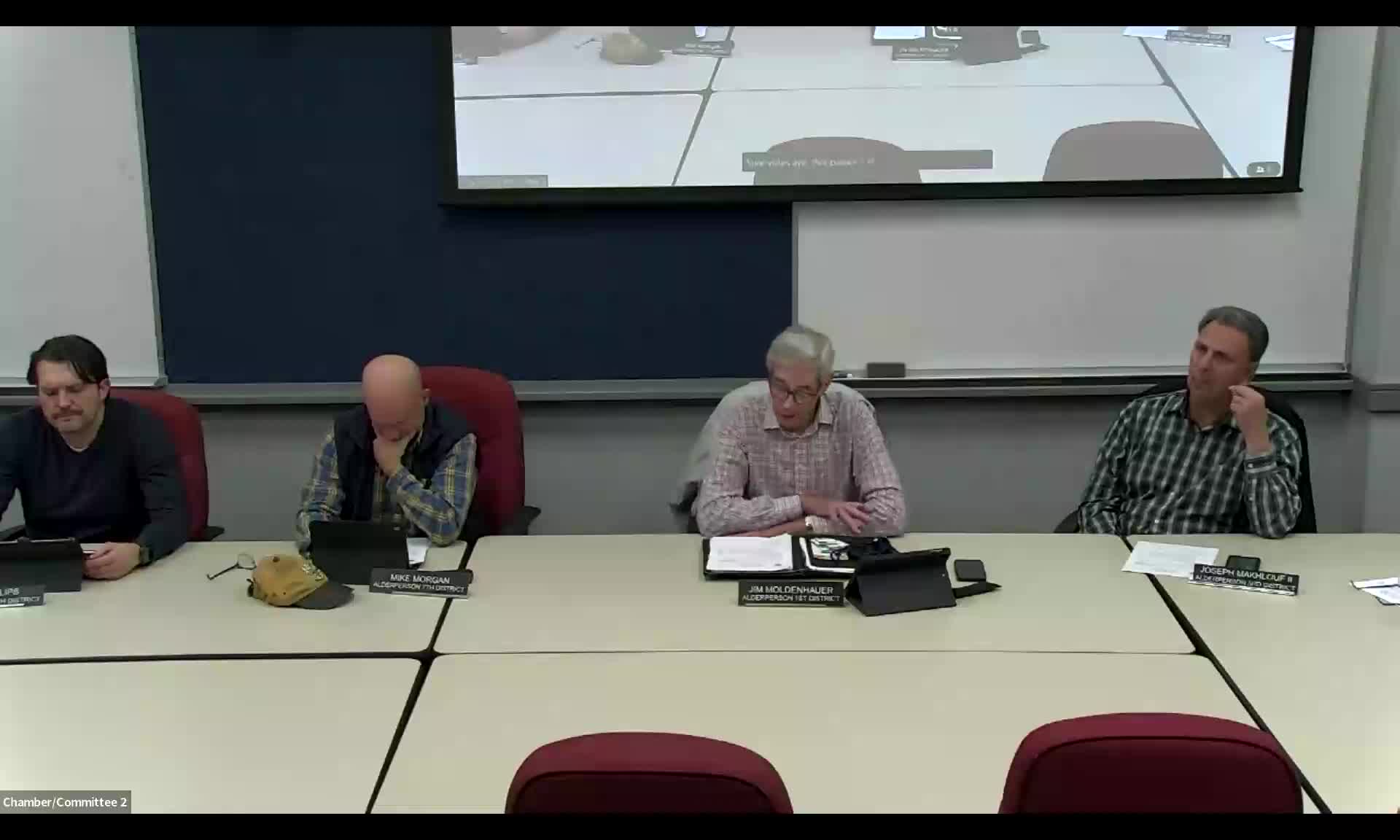
Wauwatosa Police Department leadership presented the department’s portion of the proposed 2026 budget to the Financial Affairs Committee, citing staffing shortages, rising overtime costs, and large technology contract needs.
Department leadership said an organizational structure change adopted in August will transition the department from three bureaus to two by July 2026, adding a deputy chief, two captains and additional frontline sergeants. The department described a near‑budget‑neutral reorganization intended to improve oversight and succession planning.
Presenters reported staffing challenges: as of the presentation the department had six sworn vacancies and an additional 10 sworn staff listed as inactive for reasons including work‑related injuries, extended FMLA and military duty (two overseas). The department said only about 84% of sworn staff were actively deployed. Staff described rising work‑related injuries and said they were revising defense and arrest tactics training to reduce injuries.
The department described several funding and program items in the 2026 request: a National Institute of Justice grant (about $70,000 per year for three years) for a hot‑spot deployment research project; a proposal to increase part‑time dispatcher hours (0.5 FTE, roughly 1,040 hours annually) to close a staffing coverage gap; technology investments such as Axon (body and squad cameras) and redaction software; a proposed 10‑year Axon contract estimated at $3,000,000 to replace cameras and license plate readers that will be obsolete in 2026; and a Flock camera renewal previously approved in 2022 (10 cameras and software) to assist in proactive vehicle identification.
The department said it will establish a police foundation in 2026 (subject to council approval) to accept charitable donations, and it plans to revisit reimbursement amounts for contracted policing services (e.g., Mayfair Mall and hospital campus contracts). The department also noted revenue and operational impacts: parking revenue surplus due to increased enforcement, lower SRO fee revenue while two of three SROs were on extended leave, and continued overtime pressures driven by vacancies.
Committee members asked about the Flock camera data retention and access; police staff said Flock’s system retains reads for about 30 days and that law enforcement access requires CJIS clearance and audit trails. Staff emphasized human review of hits before enforcement. Members also pressed on the possibility of using federal grant funding (COPS grants) for counseling services and that a part‑time dispatch pool increase would not necessarily add new employees but increase available hours for existing part‑time dispatchers.
City and police staff said capital requests include canine replacement (funding partly from donations), fingerprint machine replacement (near end of life), drone fleet expansion (a second drone to ensure operational readiness), and a proposed shift to a single long‑gun platform phased through 2030 to reduce training and maintenance costs.