Department of Forensic Science panel approves validation plan for quantitative analysis of cocaine, heroin and methamphetamine
Loading...
Summary
A Department of Forensic Science (DFS) meeting approved a validation plan to finalize methods for quantifying cocaine, heroin and methamphetamine, combining data collected in 2021 with new experiments and adopting a multi-point calibration approach.
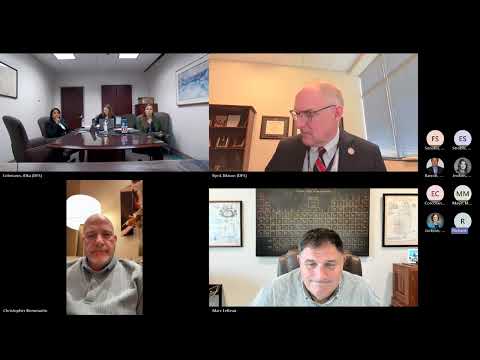
At a Department of Forensic Science meeting conducted via audio-visual connection, the presiding member asked DFS staff to present a validation plan for quantitative analysis of cocaine, heroin and methamphetamine and the panel voted to proceed consistent with that plan.
The DFS chemistry program manager summarized the plan, saying, “What we have provided for you is the validation plan for the quantitative analysis of cocaine, heroin, and methamphetamine.” The manager said the effort began in 2021 when the central drugs section evaluated use of a multi-point calibration curve and that the current packet combines the 2021 data with additional experiments to create a final validation summary.
The validation plan matters because it establishes how the laboratory will measure amounts of these controlled substances. The chemistry program manager described the plan as a full validation that builds on prior 2021 work and adds experiments so the methods can be presented as a final validation packet to the panel.
Board members asked no technical questions on the record. Mister Barbredo, board member, offered praise for the approach and its alignment with toxicology standards, saying in part, “So kudos to you guys for doing this.” Doctor Gilabeau indicated she had no questions.
Following the presentation and brief remarks, a motion to proceed consistent with the validation plan was made and seconded. The presiding member called for a voice vote; panel members responded “aye” and the motion passed. No public comments were received during the meeting. The presiding member then adjourned the meeting.
The record in the meeting transcript shows the panel approved moving forward with the outlined validation work; details about specific experiment protocols, timelines for completing the additional experiments, or names of the chemistry program manager were not specified in the public transcript.