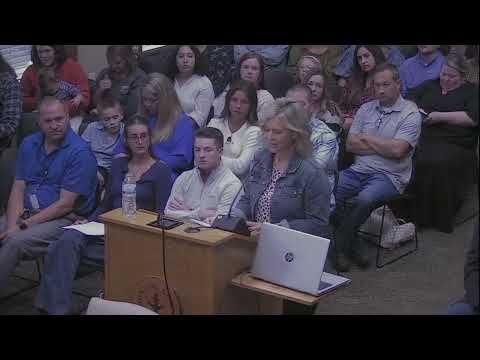
Commission approves $750,000 change order to sinkhole repair contract as city faces above-normal sinkhole season
Loading...
Summary
The city authorized a $750,000 change order to an existing contract for sinkhole demolition and repair services after a higher-than-normal number of sinkholes following extreme spring rains and summer drought; total fiscal-year funding for the contract rises to $1.18 million.
The Board of Commissioners authorized change order No. 2 to the contract with Scott & Ritter Inc. for demolition and sinkhole repair services in the amount of $750,000, increasing the contract total to $1,180,000 for the fiscal year.
City staff and the public-works team told the commission that an unusually high number of sinkholes followed heavy spring rains and a dry summer and that several of the recent sinkholes exceeded the city’s internal excavation capacity. City staff reviewed prior repairs and found that full excavations to bedrock had the best long-term performance; partial or temporary repairs have required repeat work at some sites. Staff reported that earlier in the fiscal year the commission had approved an additional $1 million for major repairs, and that the city is pursuing approximately $888,000 in FEMA public assistance reimbursement for certain sinkhole repairs tied to the spring flooding.
Public-works staff said that of the sinkholes reported after the flooding, 17 fell under city responsibility by ordinance and eight required outside-contractor work beyond city crews. Staff noted a handful of high-cost sites (including a soccer field excavation and a multi-repair site on Singletree Way) and explained that full-depth excavations to bedrock and replacement with rock have demonstrated greater longevity than partial fixes. The mayor and commissioners emphasized public safety and urged thorough permanent repairs rather than temporary patches.
The change order passed on roll call. Staff said this brings the yearly sinkhole/demolition contract funding to $1,180,000 and that the city expects sinkhole repair demand to remain above average during the wet/dry cycle; staff also noted ongoing monthly monitoring of larger repairs.