Get Full Government Meeting Transcripts, Videos, & Alerts Forever!
Get email alerts on the Classroom Technology topic
No spam. Unsubscribe anytime.
Teachers showcase AI tools, podcasting and creative tech across Bremen CHSD 228 classrooms
Summary
District teachers demonstrated classroom uses of AI-generation and tutoring tools, Magic School features, podcasting equipment and student creative tools (including Suno AI music) and described practical classroom outcomes. Presentations included science reading tools, AI writing feedback and district examples of student-created podcasts.
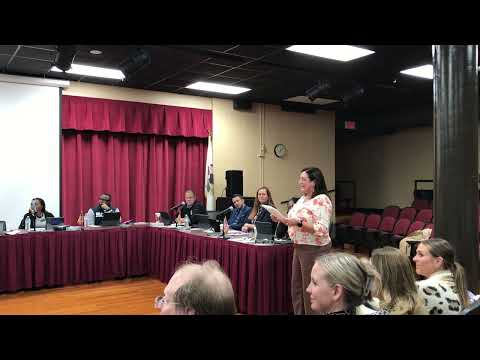
Several district teachers used the board meeting to demonstrate classroom technology and explain how it supports student learning across subjects.
Pete Sansone, a science teacher from Tinley Park High School, showed an AI-based platform called dipit.me (as described in the meeting) that he said helps generate and level reading passages, create comprehension scaffolds, and produce guided questions and vocabulary lists. Sansone described using the platform to adapt graduate-level readings to tenth-grade chemistry and to produce reading guides tied to video transcripts.
Kelsey Pena, an English teacher from Bremen High School, demonstrated student-facing features of a platform called Magic School, including a character chatbot, AI writing feedback, an AI tutor and a research assistant. Pena said the writing-feedback tool allowed teachers to upload prompts and rubrics so students receive immediate, rubric-aligned feedback and that the AI tutor and research assistant can provide individualized support and curated sources for research projects.
Amanda O’Rourke and Jennifer Shantz of Oak Forest High School detailed how podcasting equipment and a simple recording interface have been integrated across departments. They described using podcasting for research, speaking assessments, peer teaching, cross-department projects and extracurricular publications. The Oak Forest team said podcasting encourages student voice, group collaboration and authentic products that students share through Google Drive.
Heather Castaneda, an English teacher, described using Suno AI to create short songs and mantras with students to support social-emotional learning and to help teach mood, tone and memory strategies in literature units.
Why it matters
Presenters said the technology supports differentiated instruction, reading comprehension, student engagement and formative assessment. Several teachers noted that immediate, scaffolded feedback and interactive tools enabled more individualized practice when class sizes and time limited one-on-one teacher conferencing.
Classroom examples and practical notes
- Dipit.me: used to generate leveled scientific readings, create Cornell-style note frameworks and produce higher-order and text-connection questions that prompt original student responses. - Magic School: character chatbots used for bell-ringer activities (for example, roleplaying a character to review The Crucible); writing feedback for rubric-aligned, immediate student review; AI tutor used during substitute lessons or quiz preparation; research assistant to reduce students’ overwhelm with open web searches. - Podcasting: Oak Forest reported using Chromebook-powered interfaces, headsets and a recording interface that creates files for students’ Google Drives; faculty across history, health, language arts, world language, CTE and extracurricular media are using podcast formats. - Suno AI: employed in freshmen classes to generate student-created mantras and short musical pieces for SEL and to spark poetry and creative-writing work.
District leaders and board members thanked the teachers for demonstrating instructional use cases and noted the presentations were intended to show classroom impact rather than vendor endorsements.
Sources: presentations by district teachers and library/media staff during the board meeting.