Get Full Government Meeting Transcripts, Videos, & Alerts Forever!
Get email alerts on the Senior Affordable Housing Preservation topic
No spam. Unsubscribe anytime.
Speakers describe $14 million plan to preserve HUD-subsidized senior housing
Summary
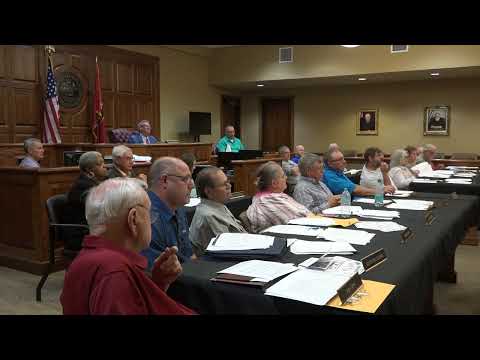
At a recent meeting speakers outlined a plan to acquire and rehabilitate a HUD-subsidized senior apartment complex using about $14 million in tax credit equity, saying tenant rents would remain tied to HUD rules and the project would be an occupied rehab.
Speakers at a recent meeting described plans to preserve a federally subsidized senior apartment complex through a proposed acquiring and renovating the property using tax-credit equity.
The project, presenters said, would bring roughly $14,000,000 in tax credit equity to the property and fund upgrades including fire sprinklers in each apartment, new HVAC to improve flow and efficiency, elevator safety work, a new fire-alarm system, Energy Star vinyl windows and upgraded sidewalks and parking areas. Commenter 2 (Commenter) said the buildings house seniors 62 and older and people with disabilities 18 and older.
Commenter 2 said the apartments operate under a HUD contract that keeps tenant rent at 30% of household income; for example, if a unit’s gross rent were $1,000 a month the resident would pay about $300 and HUD would pay the remainder through the contract. “HUD controls the rent, and they monitor the operations,” Commenter 2 said.
A pending timeline issue, speakers said, is a principal balance on the property that comes due in 2027; the current owner, they said, bought the property as a hold and is seeking to exit the housing business. Commenter 2 said the owner may sell the property to the proposed buyer before the loan payoff or find another disposition if the sale does not proceed.
Commenter 2 said the project team has applied for an allocation of tax credits through the Tennessee Housing Development Agency, and that securing that allocation is a threshold requirement to meet the project budget. Commenter 2 said without the allocation the budget would operate in the negative.
A person at the meeting asked whether resident rents would change. Resident 1 (Resident) asked, “So nothing's gonna happen to the rent, I mean, as far as the residents that are there?” Commenter 2 replied, “No, sir. HUD controls the rent, and they monitor the operations.”
Speakers also described the planned work as an occupied rehabilitation, meaning residents would remain in the property while work is staged; they said residents whose units are being remodeled may be temporarily moved off-site depending on the construction sequencing. Commenter 2 said teams performing occupied rehabs do this “all over the country.”
Next steps discussed at the meeting include completing the tax-credit allocation process and working toward acquisition terms with the current owner. Specific timelines for acquisition, construction schedules, and any temporary resident relocations were not specified at the meeting.