Get Full Government Meeting Transcripts, Videos, & Alerts Forever!
Get email alerts on the Property Tax topic
No spam. Unsubscribe anytime.
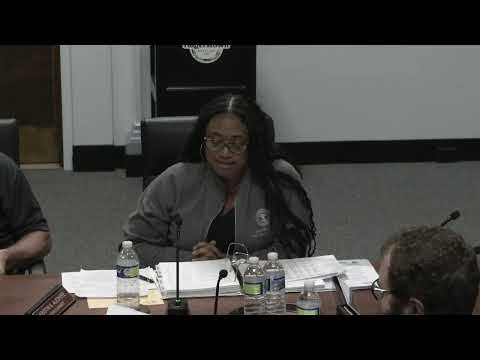
Hagerstown council debates 5.5¢ property tax increase, asks staff for targeted cuts and ordinance introduction
Summary
City councilors discussed a proposed 5.5¢ property tax increase to cover public safety and other costs, weighed one‑time cuts and hiring freezes, and directed staff to return the proposed tax ordinance and budget with specific options.
HAGERSTOWN, Md. — The Hagerstown City Council spent more than two hours Tuesday debating a proposed 5.5¢ increase in the property tax rate — a change estimated in the staff budget to produce about $2.2 million — and asking staff to return with specific, line‑by‑line options before a final vote.
Council members and city staff framed the discussion as a choice between raising revenue, cutting services and programs, or using one‑time reserves. Councilors repeatedly said they supported public safety funding but differed on whether to protect services and amenities or reduce them to avoid the increase.
The issue mattered because the city has not raised its property tax rate since 2019, staff noted, and the council must decide whether to cap any increase for a future fiscal year. Council members discussed a cap tied to a future fiscal year (several members referenced capping the rate for FY28 or FY30) and sought clarity on legal limits and budget mechanics before committing to a final number.
City staff presented a range of offset options: a hiring freeze for non‑public‑safety positions, delaying or reducing capital improvement projects (CIP), trimming community amenity spending, and using portions of fund balance for one‑time needs. Staff cautioned that long‑term use of reserves would increase fiscal risk and could affect the city’s bond posture. The staff presentation also pointed to a roughly $4.1 million recommended use of fund balance in the proposed plan for one‑time capital items.
Council members reviewed several specific line items mentioned by staff: seasonal and part‑time parks staff, the Potterfield pool, the municipal golf course and other community events. Staff estimated Potterfield pool receipts near $93,500 against direct operating expenses in the hundreds of thousands; the golf course was described as historically operating at a loss and subject to an existing multi‑year lease for golf carts. Staff also noted that cutting some amenities would have implementation and contractual costs and in some cases would not produce enough immediate savings to materially reduce the tax increase.
Council members also discussed a separate budget detail: the expected loss of roughly $375,000 in property tax revenue tied to a large taxpayer change (discussed by staff as a previously included revenue assumption). Several councilors said that if the council removed that revenue from the budget, staff would need to find other offsets to avoid pushing the tax rate higher.
After the review, councilors directed staff to prepare and introduce an ordinance setting the proposed property tax rate (the introduction draft staff indicated would show a tax rate of 1.057) and to return at a later meeting with a menu of specific cuts and the budget language needed to implement any cap the council might adopt. Staff said they would bring the ordinance and the revised budget back to the council at the next scheduled meeting for continued discussion and formal action.
The council ended the session without a final vote on the tax rate; members asked for clearer written options and dollar amounts from staff so they could assess tradeoffs before a final decision.
Looking ahead, staff told councilors that projections for utility funds, permit/licensing revenue and the triennial property assessment process administered by the State Department of Assessment and Taxation would affect the final rate calculation. Councilors asked for more detail on how changes in assessed values and state assessments would phase in and what legal language would be required to cap a future fiscal year rate if the council chose to do so.
The council also scheduled additional budget discussion and the formal introduction of the FY26 budget ordinance at the next meeting, with staff to return a list of recommended cuts, the financial impact of each and the specific ordinance language needed to carry out any cap or targeted reduction.