Get Full Government Meeting Transcripts, Videos, & Alerts Forever!
Get email alerts on the Teacher Contracts topic
No spam. Unsubscribe anytime.
Teachers, parents and students press Buckeye Valley board over pay, class size and planning time
Summary
Dozens of teachers, parents, students and community members used the meeting’s public-comment period to urge the Buckeye Valley Local Board of Education to increase teacher pay, preserve planning time and maintain class-size limits amid contract negotiations and recent administrative raises.
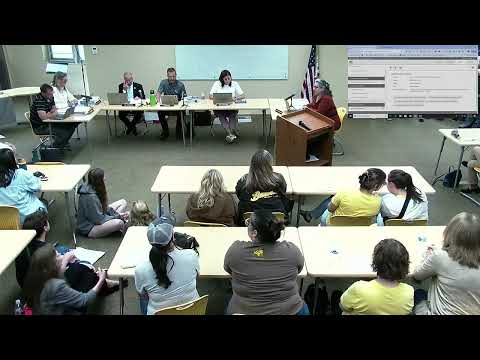
Dozens of teachers, parents and students used the public-comment period at the Buckeye Valley Local Board of Education meeting to press the board to raise teacher pay, preserve planning time and maintain class-size limits.
The comments came during the meeting’s public-comment segment after speakers raised concerns about a proposed reduction in elementary planning time, the district’s offer on salary, and what many described as a widening pay gap between classroom staff and administrators.
Keanna Draper, a 2024 graduate, told the board, "Teachers don't just prepare us for exams and assignments, they prepare us for life." She described teachers as "an army of people" who supported her through personal challenges and credited them with helping her continue in college.
Amy Wheatley, kindergarten teacher at East Elementary, said, "The district's proposal to remove class size caps is deeply concerning." She described the demands of kindergarten teaching, noting that "teachers spend 10 to 20 minutes per child on repeated 1 on 1 assessments" and warned that enlarging classes would reduce individualized instruction and increase behavioral issues.
Several other speakers — including current teachers, a recent graduate, and parents — highlighted similar themes: rising classroom demands, growing student mental-health needs, teachers taking on unpaid extra work, and the risk that inadequate pay and working conditions will drive experienced staff away. Teacher and union representatives pointed to past sacrifices, including a multi-year pay freeze in 2011, and asked the board to restore steps and offer compensation that keeps pace with inflation.
Public commenters also questioned recent administrative compensation increases. They asked the board to explain why administrators had received raises and performance bonuses while teacher raises lag behind. One commenter who reviewed the treasurer’s five-year forecast urged the board to provide clear, transparent assumptions behind the projection.
Board members allowed 30 minutes for nonagenda public comment; speakers whose remarks were not completed were offered an additional public-comment period to follow executive session after the board voted to reconvene.
What happened next: the board did not take final contract action during the meeting. Members indicated negotiations are ongoing and that bargaining will continue. Several speakers urged the board to accelerate good-faith bargaining and to prioritize classroom investment to retain staff.
Why this matters: Teachers’ pay, class sizes and planning time are central to classroom instruction and student support. The public-comments record documents community concern about staffing, morale and the district’s budget priorities moving into a new budget cycle.